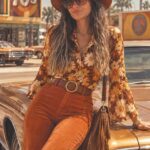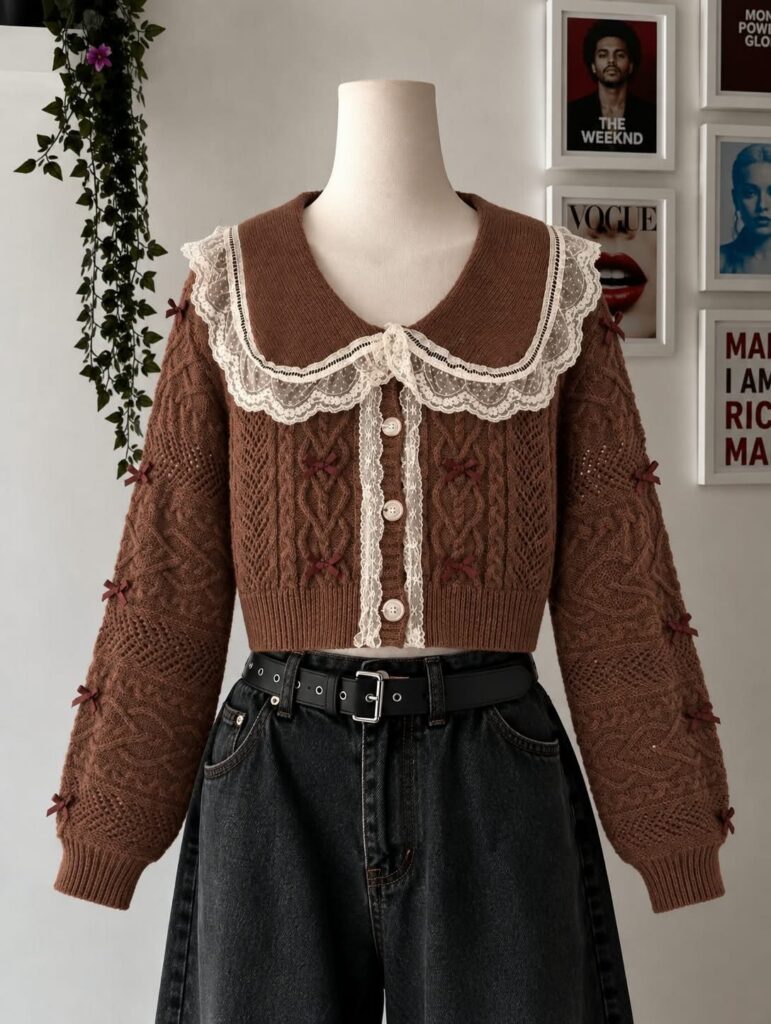
These indie fashion outfits range from a thrifted flannel to a full weekend of crochet work, and the right one depends on whether you are dressing around a single statement piece or building a whole look from quiet basics.
A cropped cardigan over stiff high-waisted mom jeans with tortoiseshell clips and a vintage buckle belt carries the same academic, artsy note as patchwork denim or a halter top you spent hours crocheting yourself.
1. Cropped Cardigan with High Waisted Mom Jeans
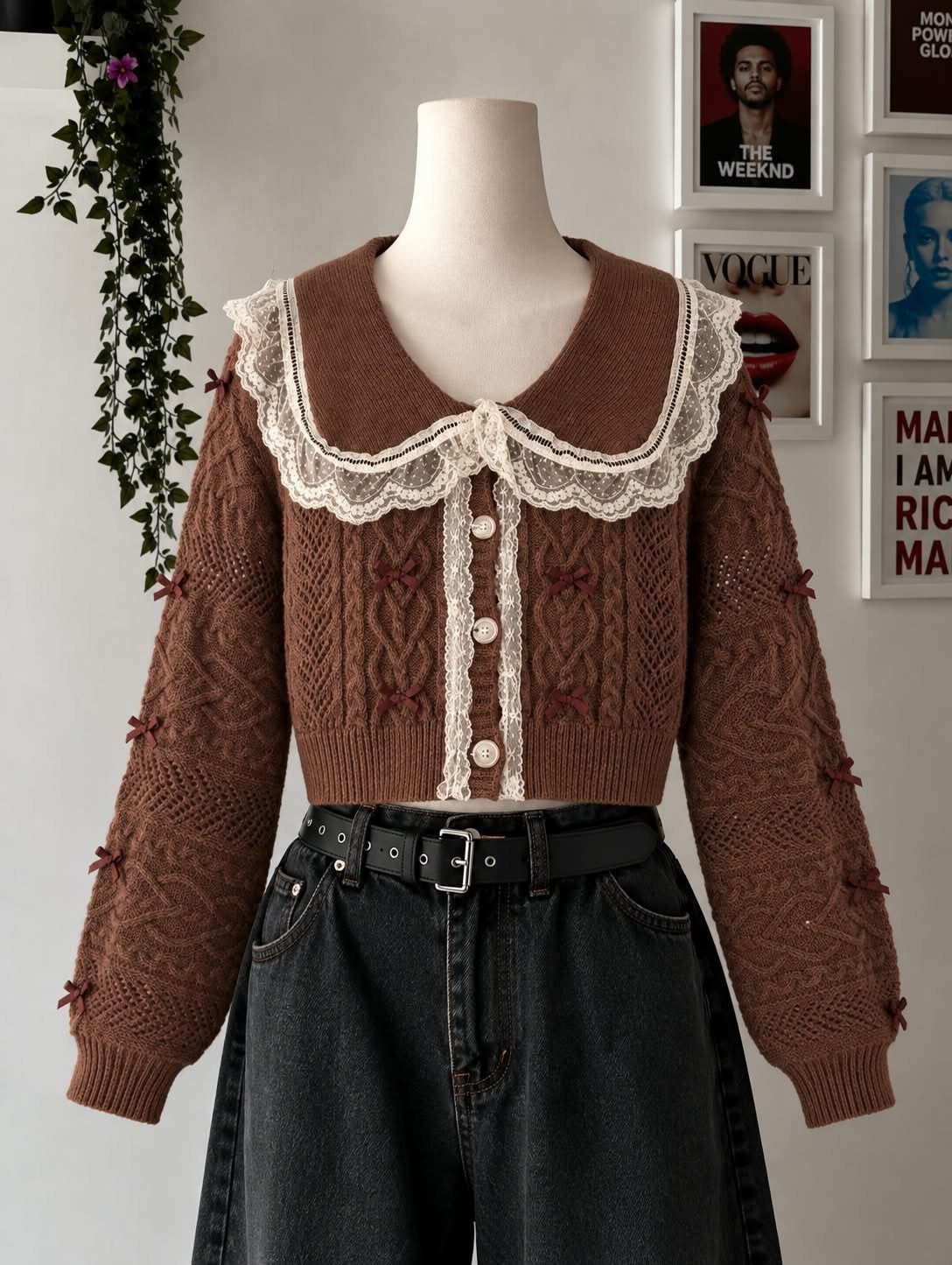
A cropped cardigan layered over a fitted tank and left open above stiff high-waisted mom jeans hits that academic, artsy note without looking like you planned it for an hour.
The high waist pulls the eye up and the cropped cut leaves a sliver of midriff, which keeps the proportions from going boxy.
I like this best with a belt that has a vintage buckle, leather loafers or ballet flats, and a structured mini bag. Tortoiseshell hair clips and a small pendant finish it without clutter.
This is the outfit I would reach for for a poetry reading or a casual work meeting where I want to look like I made an effort, but not too much of one.
2. Slip Dress Over Turtleneck
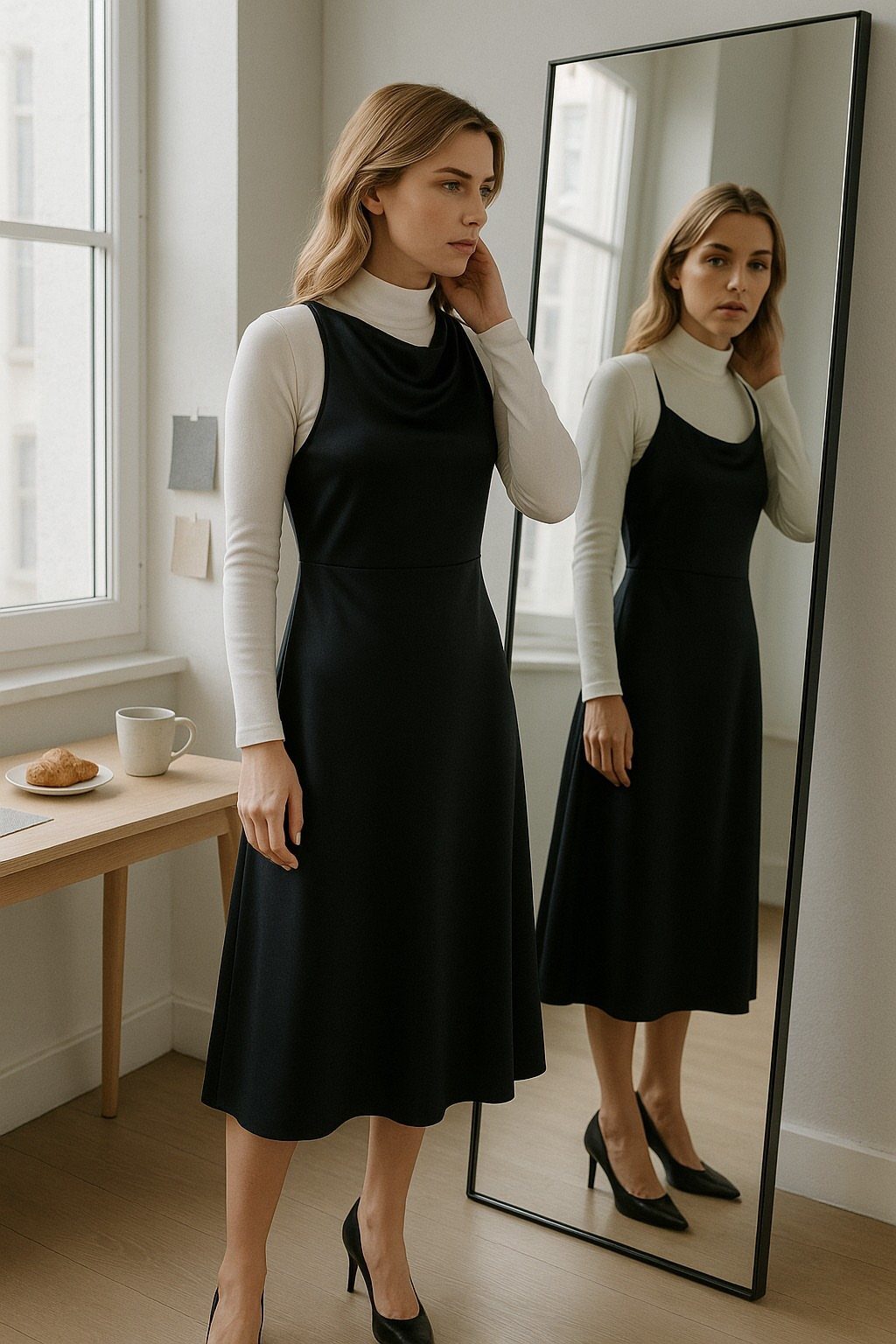
Layering a slip dress over a fitted turtleneck takes the piece from summer-only into the months when you actually need sleeves.
Let the turtleneck show at the collar and wrists; the slip dress catches light while the boots add weight, and that tension between delicate and heavy is what holds the outfit together.
I would choose a jewel-toned or subtly printed slip dress here, not black-on-black. Doc Martens ground the look; layered chains and a small leather backpack or vintage shoulder bag complete it.
In winter, add tights. The dress gets far more wear this way, which matters if you are buying fewer pieces and wearing them more.
3. Oversized Flannel Over Graphic Tee
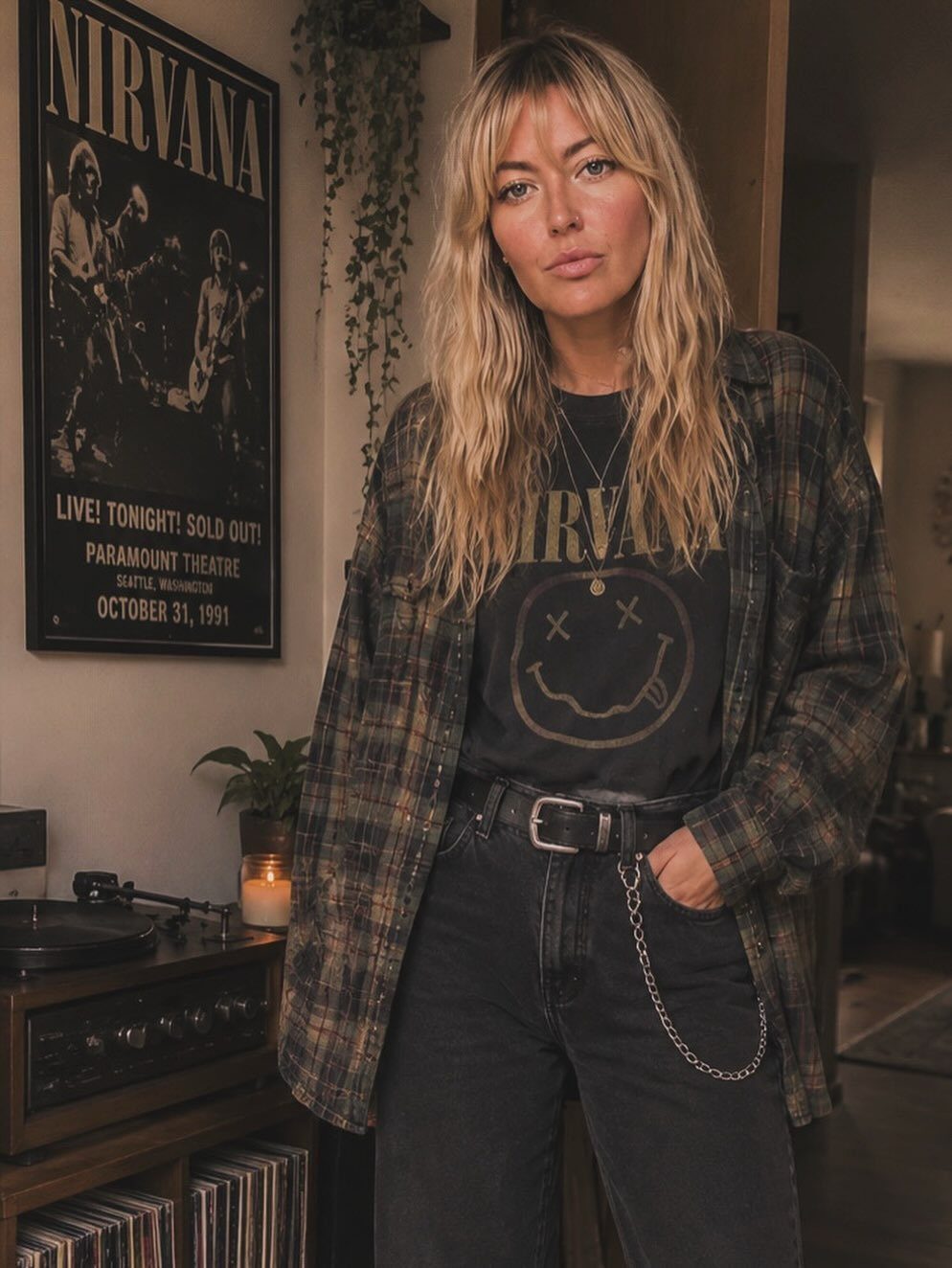
An oversized flannel worn open over a graphic tee is the simplest 90s indie formula, and most closets already have both pieces. The flannel adds pattern and warmth without effort; the tee underneath keeps it personal.
I prefer a band shirt or something with a retro graphic, old cartoon characters or an obscure local business logo, over a mass-produced print. Black jeans and combat boots finish the grunge feel.
On warmer days, tie the flannel around the waist. That move gives you a waistline and holds the outfit together once the layer comes off.
4. Denim Overalls Outfit
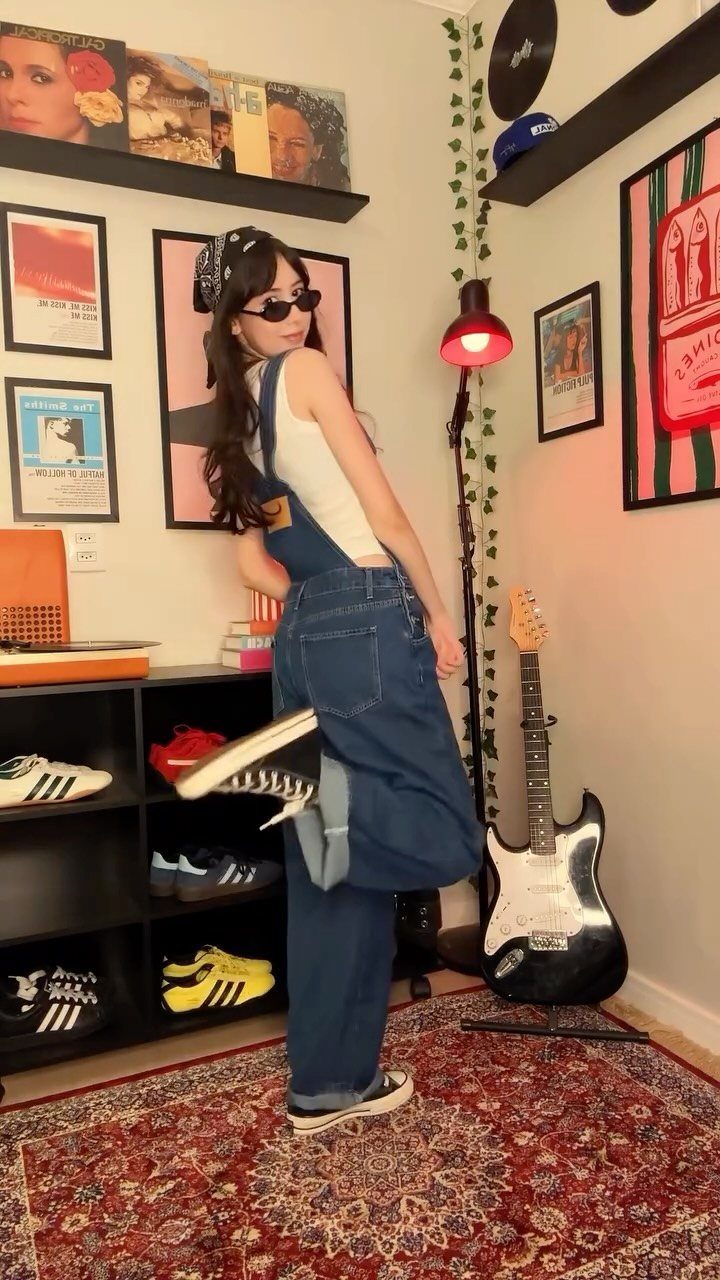
Roll the cuffs once or twice and wear retro sneakers, Converse or New Balance. A canvas backpack keeps the vibe functional; round tortoiseshell sunglasses and a messy bun do the rest.
The restraint of the pieces is exactly the point. Your personality comes through in how you wear it, not in what the outfit itself announces.
5. Patchwork Denim Jeans
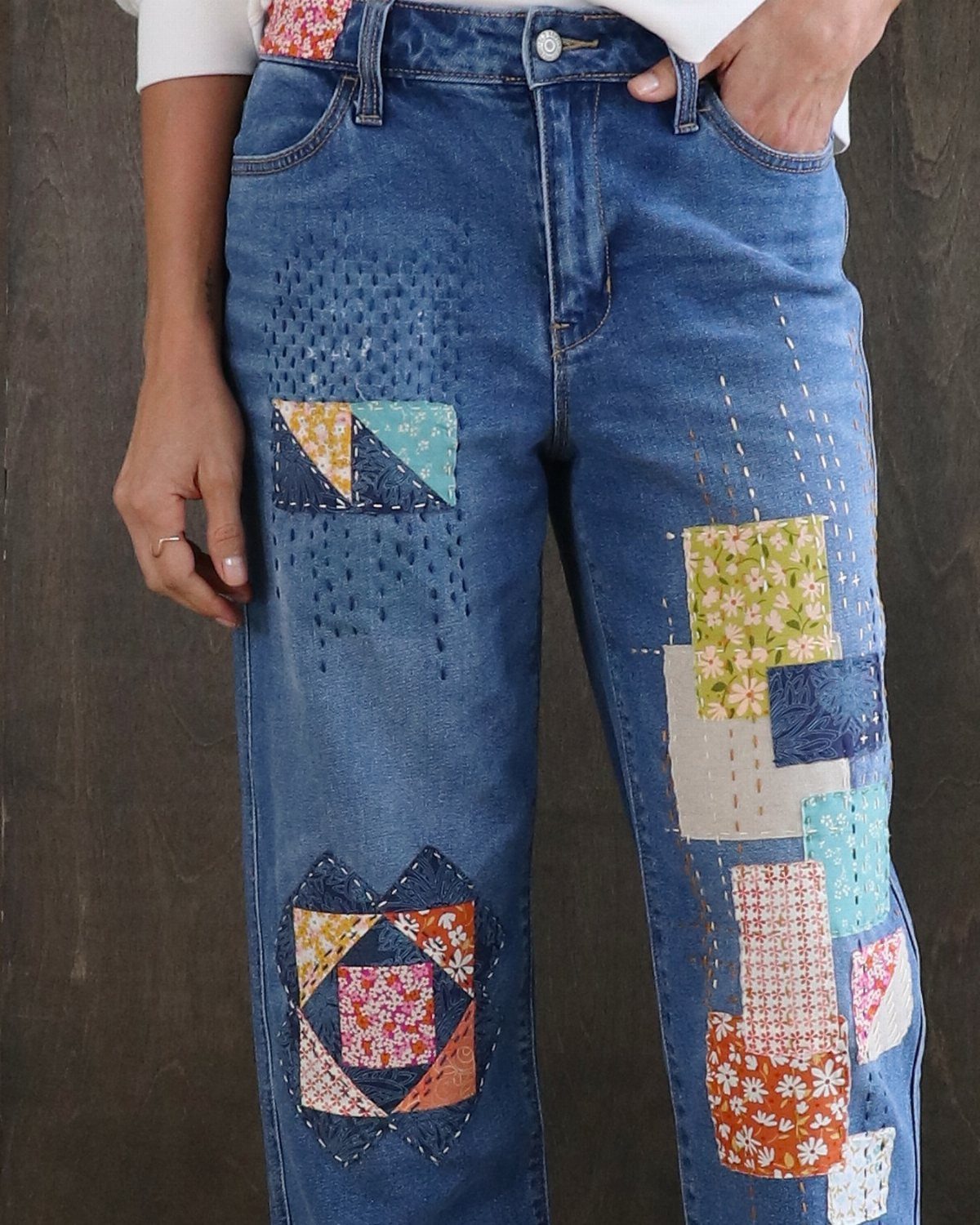
Patchwork denim stands alone by default; that is the draw. No one else owns the same pair, and the handmade or upcycled feel lines up with the sustainable thread running through indie style.
I would keep the rest of the outfit simple: a plain tank, wide-leg jeans if the patchwork is on a jacket instead, platform sneakers.
Want to go further? The hours you put in show, and the result actually belongs to you.
6. Leather Jacket with Plaid Skirt
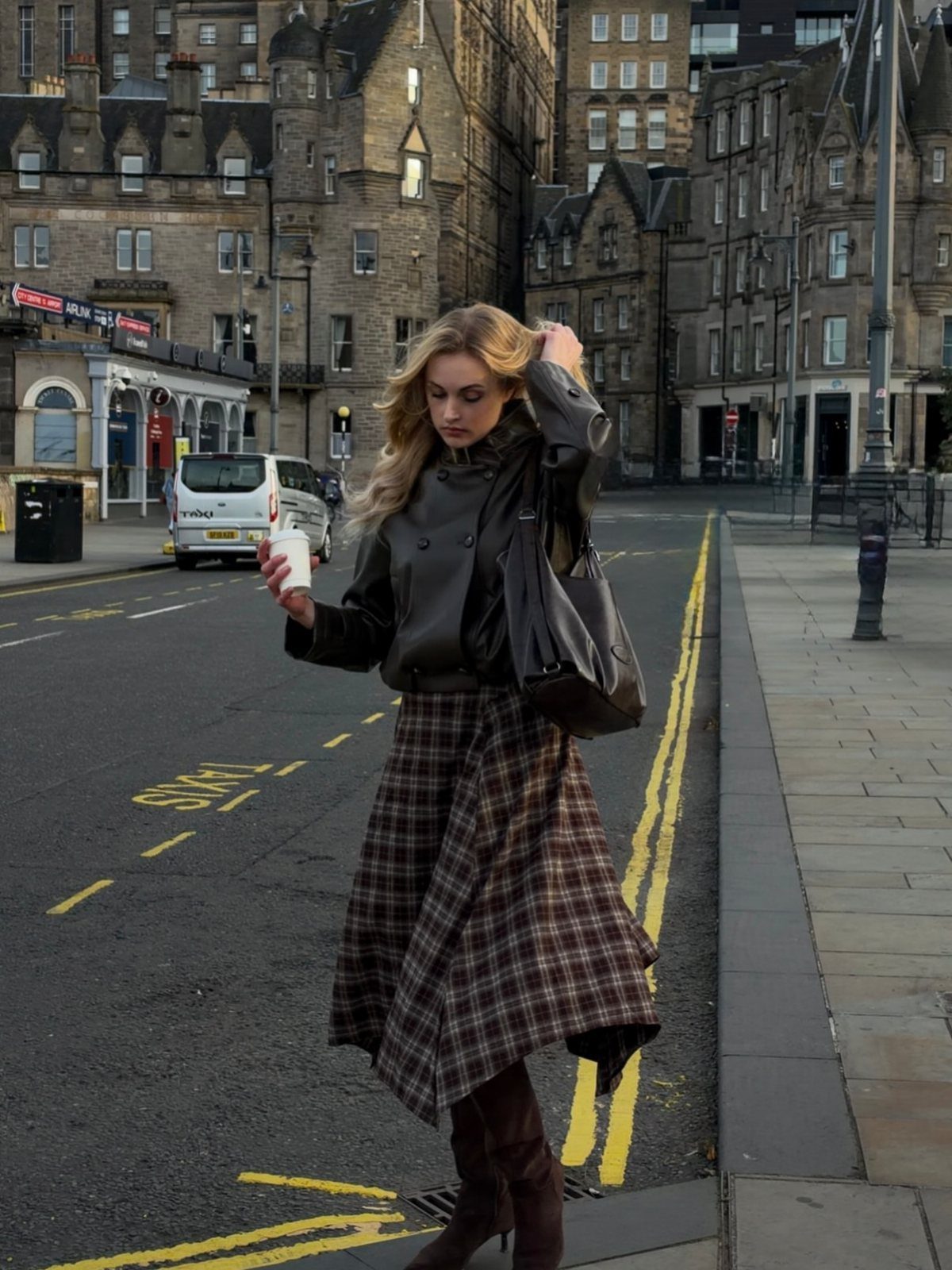
A dark leather jacket over a long plaid skirt mixes tough and traditional in a way that feels city-appropriate without being predictable. The length of the skirt matters here; midi or longer keeps it from reading costumey.
I would add brown boots, the chunkier the better, and carry a coffee cup with the confidence of someone who actually has somewhere to be. A green cardigan, a plaid skirt with green in it.
7. Crochet Halter Top
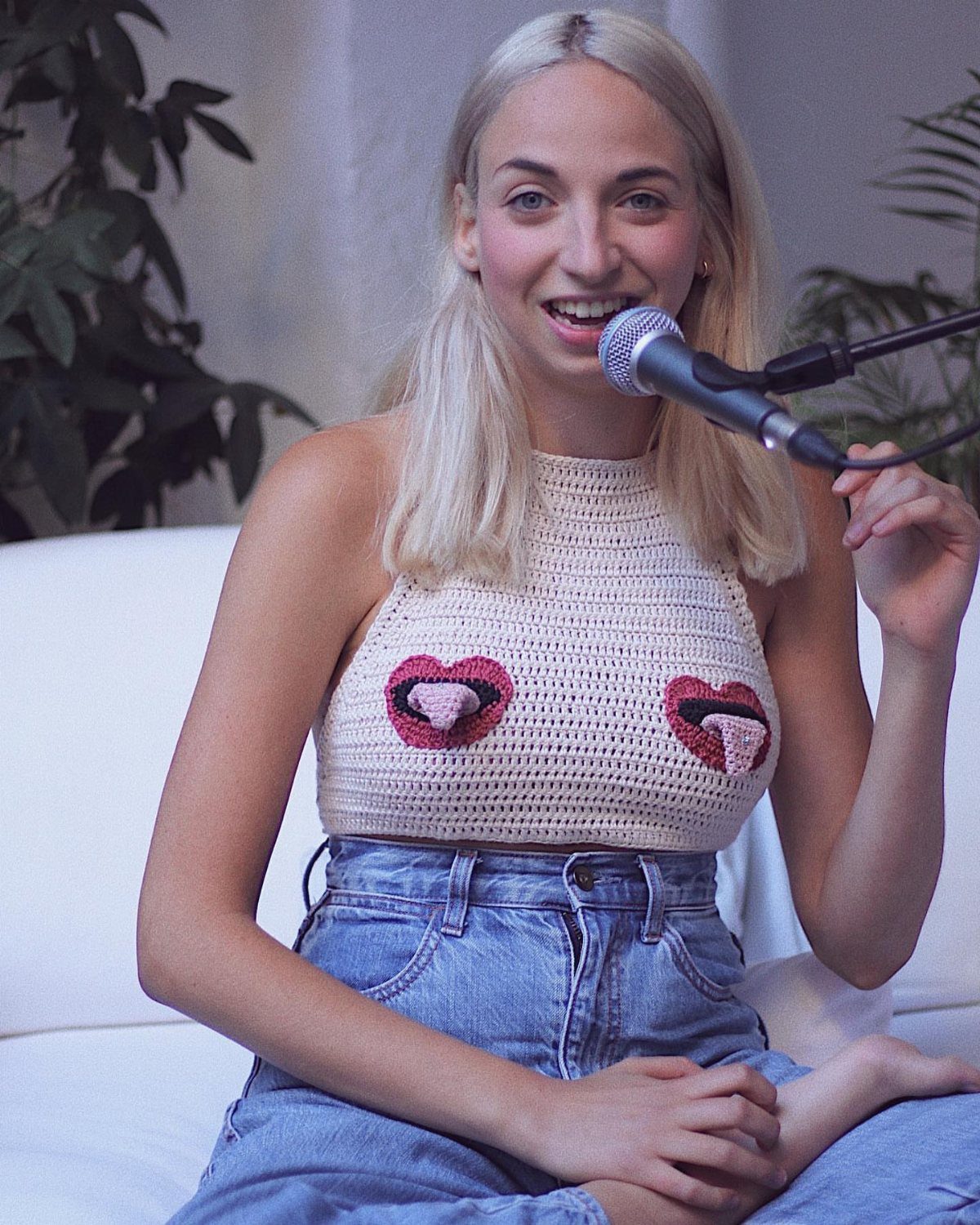
Crochet halter tops carry the texture of something made by hand, even when they are not. The open weave and the skin showing through gives a summer layer that reads as personal rather than mass-produced.
I would pair this with mid-rise jeans, not high-waisted; the top needs room to sit at its natural length without bunching. Platform sandals or clogs keep the 70s craft feel going.
If you actually crochet, making one yourself takes a full weekend for a simple pattern and costs the price of cotton yarn. A woven bag and beaded jewelry finish it without looking like costume.
8. Floral Combat Boots
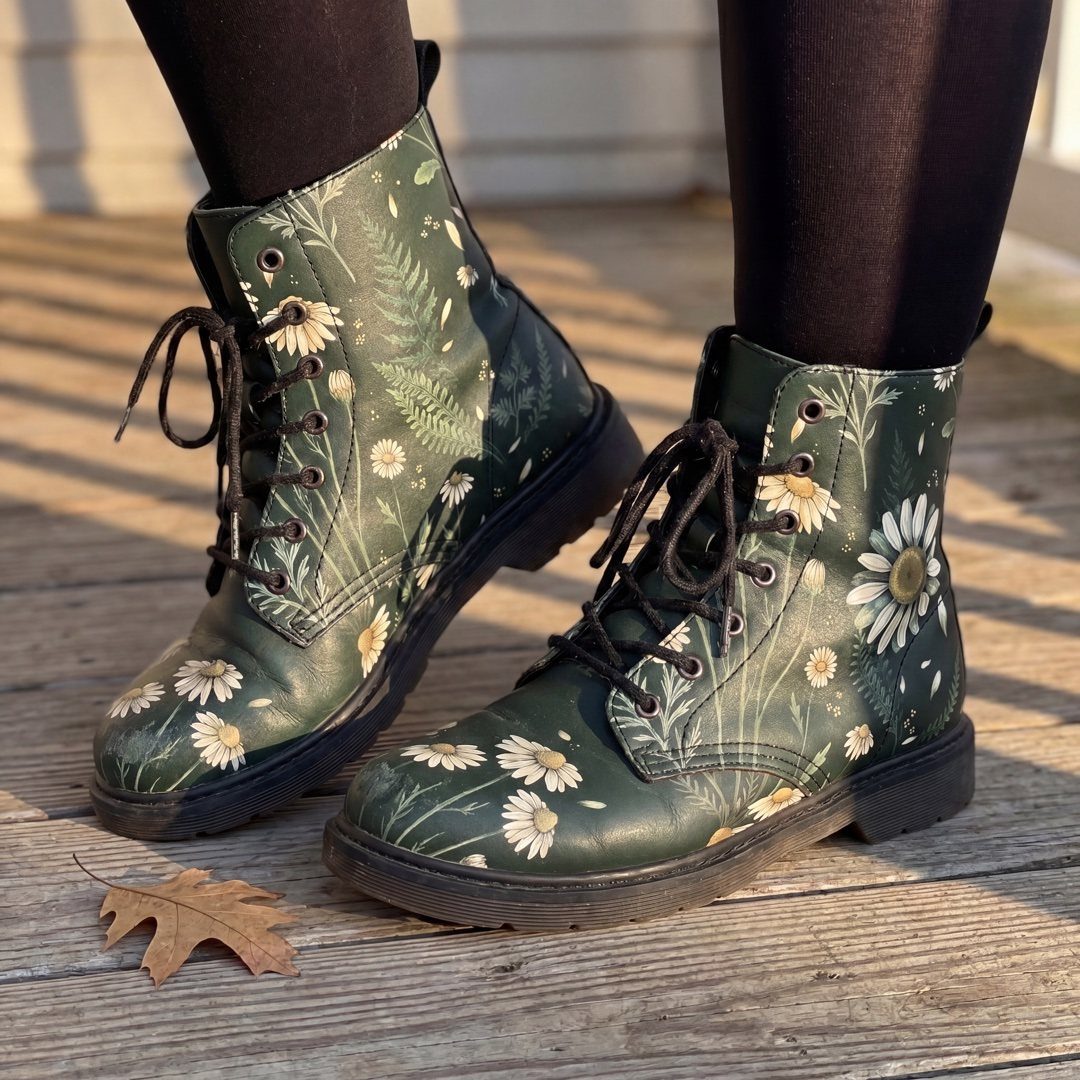
Combat boots printed with daisies and ferns turn the standard tough boot into something that starts conversations. The floral pattern softens the military shape without canceling it; that tension is what makes the outfit work.
I would wear these with black tights and a shorter skirt or dress, letting the boots be the single statement piece. A plain canvas tote and simple jewelry keep the focus where it belongs.
In fall, add an oversized denim jacket. The boots are the investment here; everything else should stay basic so the print does the work.
9. Vintage Band T-Shirt
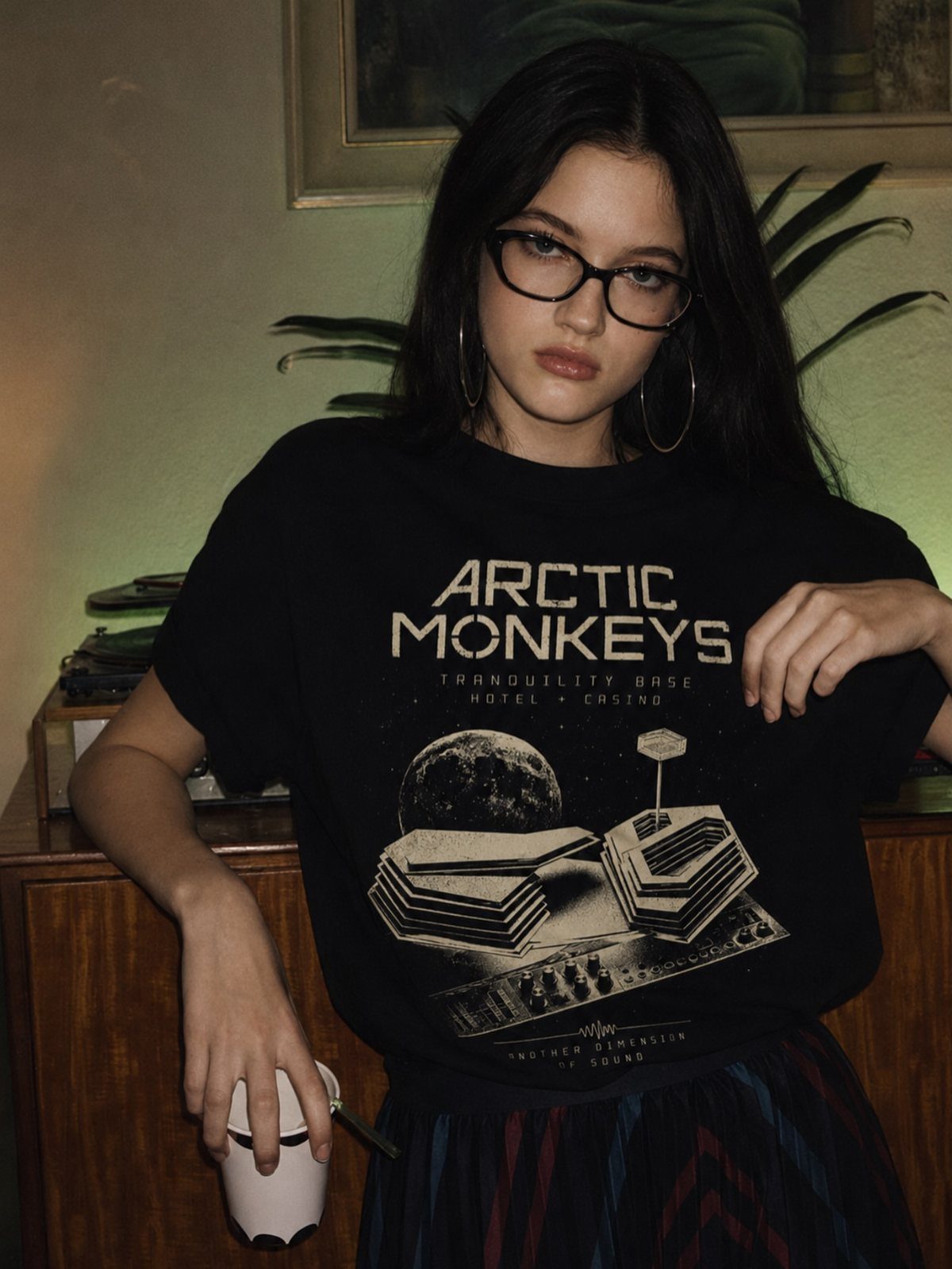
A faded band tee tucked into a pleated skirt is the fastest way to signal actual music taste rather than fashion awareness.
An Arctic Monkeys shirt hits a sweet spot: recognizable enough to draw nods, specific enough to show you did not grab the first thing at Target.
I would choose a skirt in denim or corduroy, not matching black, and add patterned tights once the temperature drops.
Chunky Mary Janes or platform sneakers finish it. Choose a band you actually listen to; someone will ask, and the conversation goes better when you have an opinion on the album.
10. Boho Maxi Dress
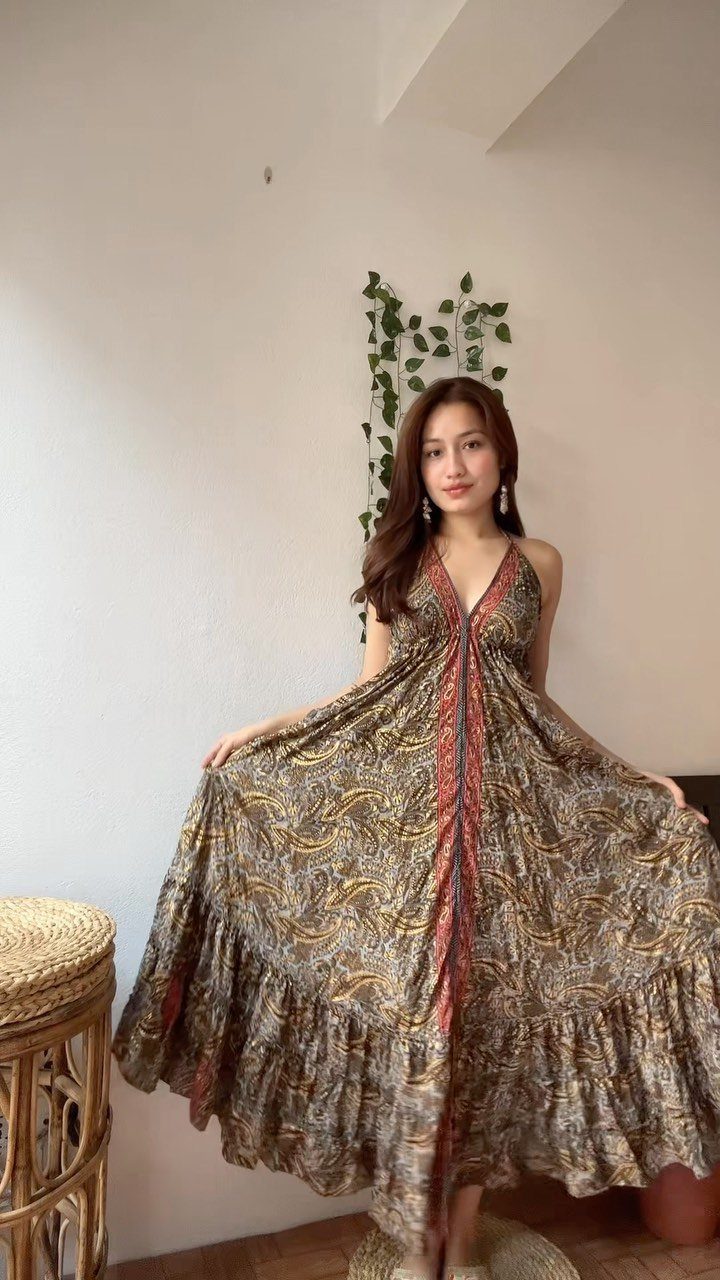
A long halter-neck maxi in a busy print reads as romantic without trying for pretty. The length and the volume do the work; accessories should stay minimal.
I like these best in earthy shades, rust or mustard or olive, with brown ankle boots that ground the float. A suede or denim jacket on top keeps it wearable past September.
The dress is the outfit, which is useful if you are building a smaller closet and need pieces that carry a whole look alone. One ring stack or a thin chain is enough; more competes with the print.
11. White Smock Dress with Mary Janes
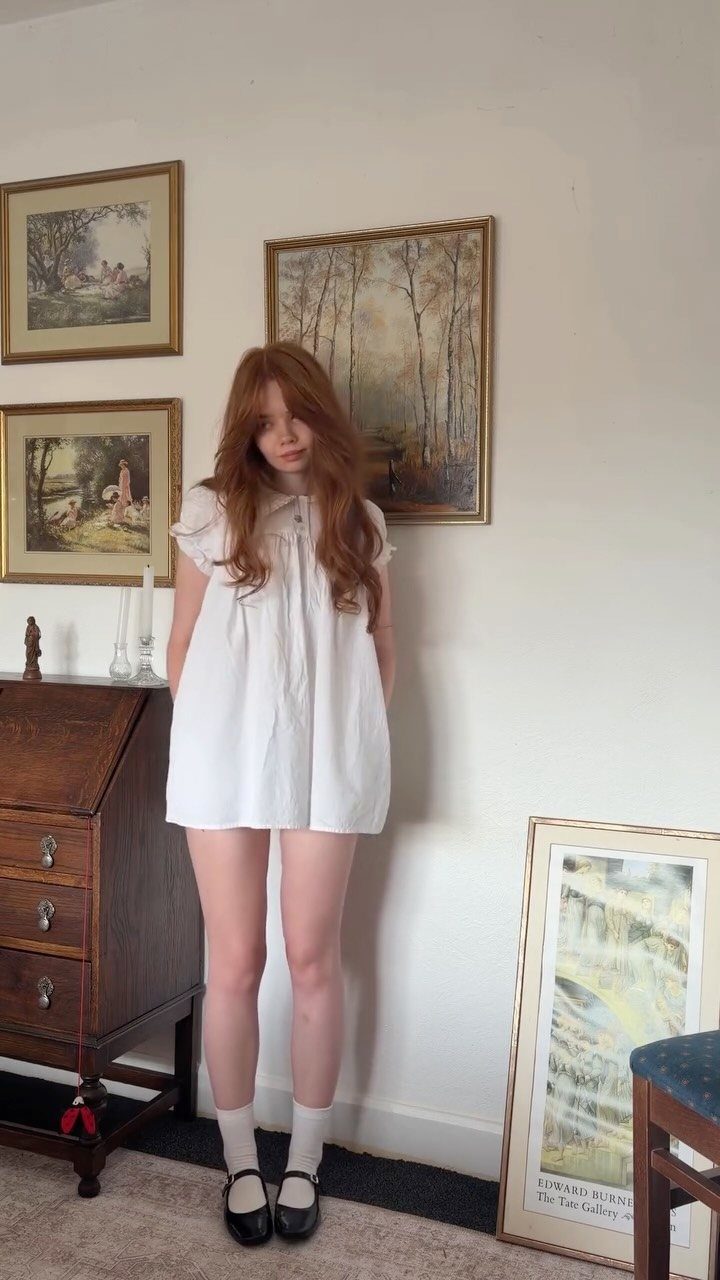
A white smock dress with puff sleeves and black Mary Janes sits right on the line between childlike and deliberate. The socks matter here; without them, the shoes read as retro in a different, less interesting way.
I would check the length before buying: too short and it turns costume, too long and the proportions with the blocky shoe go wrong. This is an outfit for someone comfortable with looking slightly unserious.
The dress needs no jewelry; the collar and the sleeve volume are already enough. Press it, or do not; the slight rumple suits the mood.
12. Cardigan and Pleated Mini Skirt
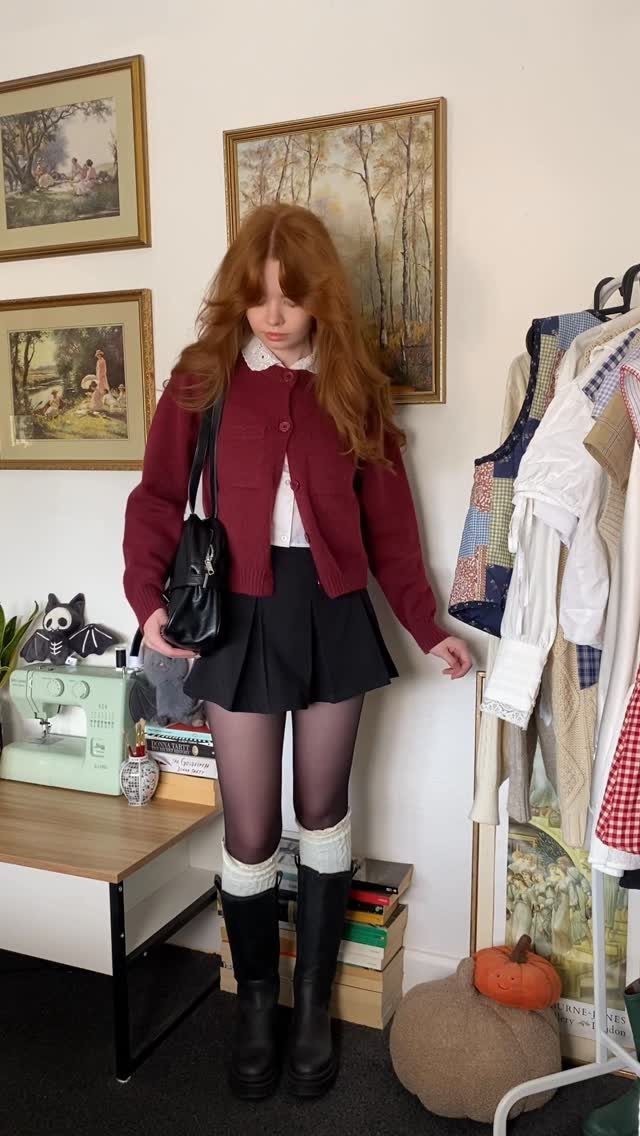
Layering a maroon cardigan over a collared shirt with a pleated mini skirt piles up textures in a way that looks considered rather than thrown on.
The sheer tights plus knit leg warmers plus knee-high boots is a lot of leg coverage; it works because each layer reads as its own thing. I would keep the cardigan cropped or fitted so the waist does not disappear.
A shared color between cardigan and skirt, even a small one, holds the mix together. This is a fall and winter look; in spring, drop the leg warmers and switch to loafers.
13. Fuzzy Cardigan with Green Cargo Pants
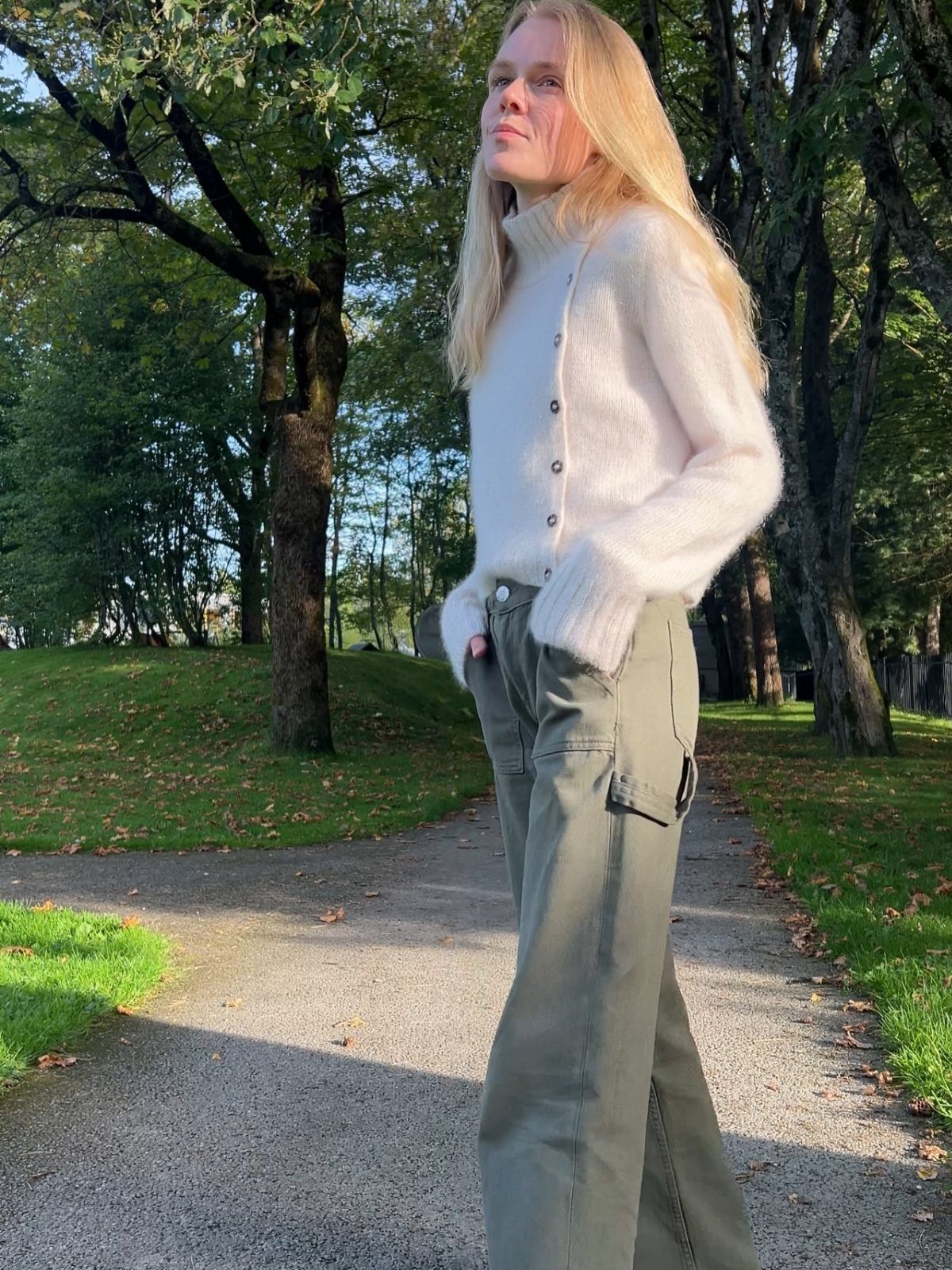
Olive green cargo pants with a fuzzy cream cardigan softens military utility into something you could wear to a coffee shop without looking like you are headed to basic training.
The relaxed fit of the pants needs the texture of the knit to keep the silhouette from going too slack; the high neck on the cardigan adds structure where the waist disappears.
I would cuff the cargos once and wear them with lug-sole loafers or clogs, not sneakers, so the bottom half keeps some weight.
A small leather crossbody and thin gold hoops finish it. The pockets actually hold things, which matters on days when you do not want to carry a bag.
14. Eyelet Blouse with Denim Jeans
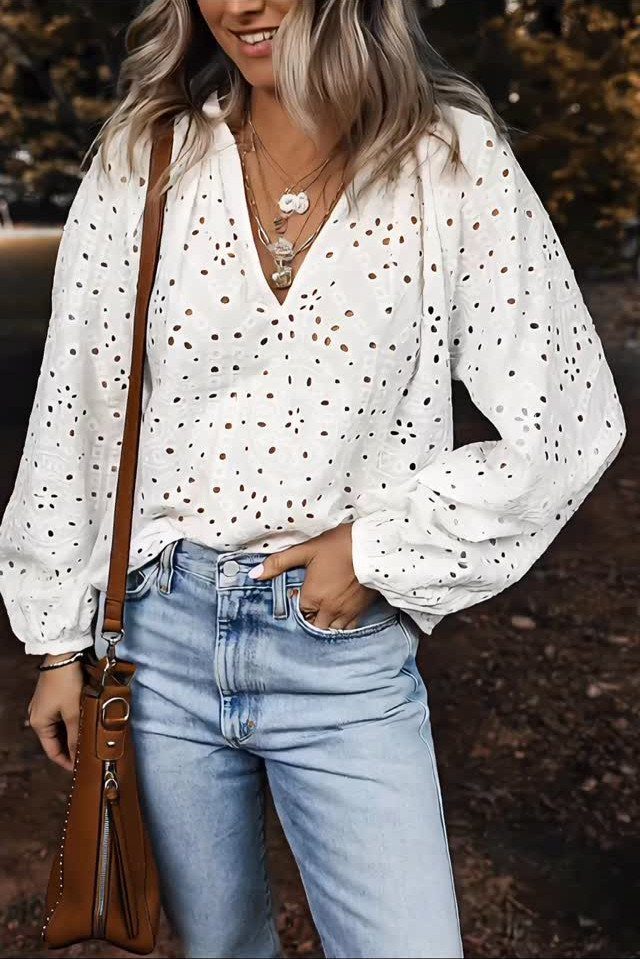
Eyelet cotton reads as handmade even when it is machine-made, and that slight confusion is what gives the blouse its indie quality.
The long sleeves and the covered buttons keep it from going too sweet; light wash denim underneath does the rest of the work.
Layered necklaces, two or three at different lengths, fill the open collar without needing a scarf. I would check that the eyelet is fully lined through the body; unlined eyelet requires a camisole, which adds bulk at the waist.
This is a spring and early fall piece; in summer, roll the sleeves and swap the jeans for denim shorts at the same wash.
15. Puff Sleeve Top with Black Bottoms
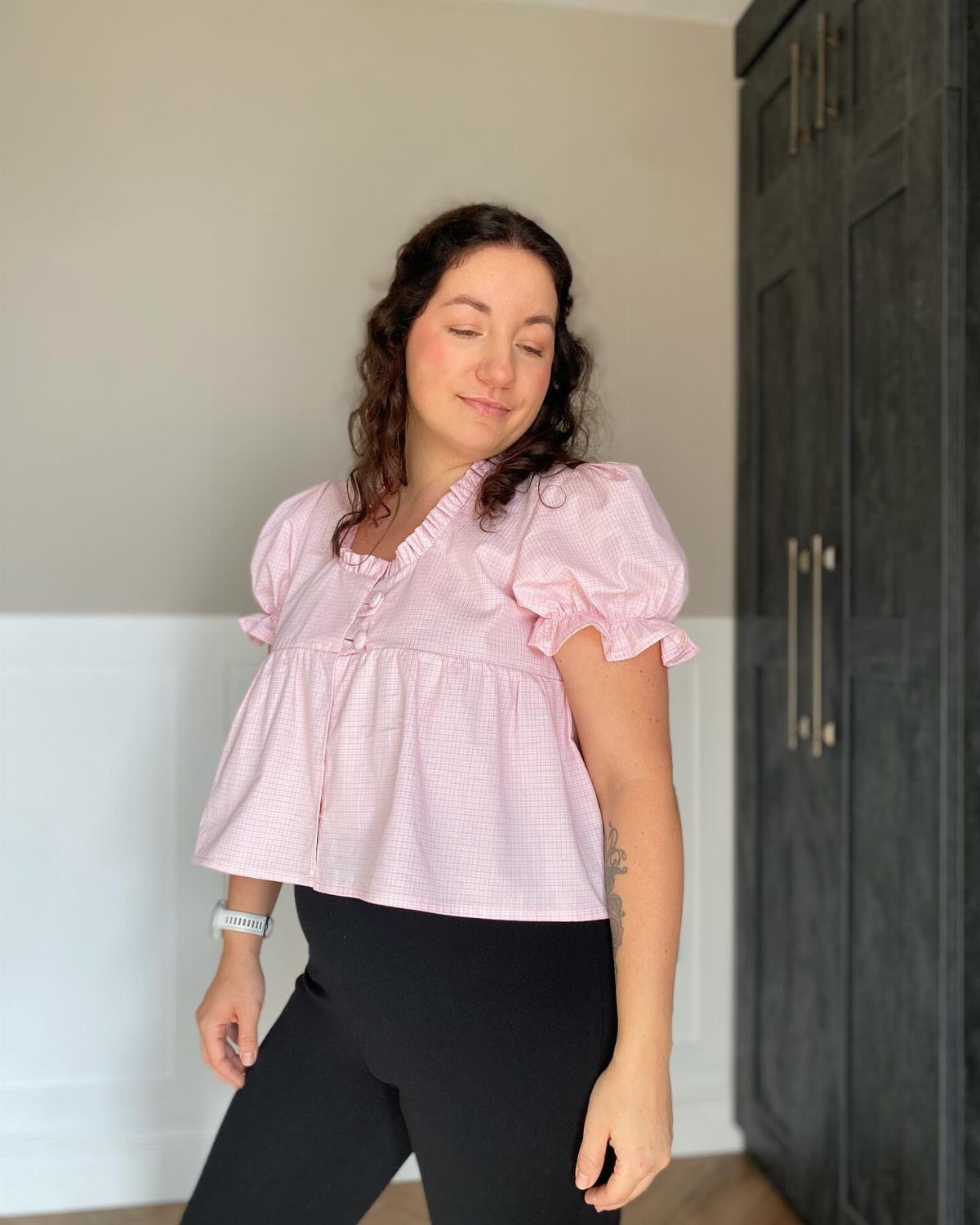
A gingham puff-sleeve blouse with black leggings or slim trousers puts the volume in one place and keeps the rest quiet. The babydoll cut means no tucking, no waistband to negotiate; the black bottom half lengthens what the print interrupts.
I would add a single bold earring, something ceramic or resin, and flat Mary Janes or ballet slippers. The sleeves are the statement; bracelets compete, so skip them.
This is an outfit for someone who wants to look dressed without the structure of a fitted top. Check the sleeve seam: if it sits too far down the arm, the puff collapses into a droop.
Indie Fashion History
Indie fashion grew out of music scenes rather than runway directives, which explains why it still borrows so heavily from 3 distinct decades.
The 1990s grunge wave left flannel shirts, ripped denim, and combat boots as permanent fixtures. A brighter "indie kid" trend surfaced on social media with patterned pants and quirky accessories, and it still shows up in feeds now.
Today’s indie dressing pulls from all 3 periods at once, with thrifting and sustainability as the binding thread.
That layered history is why the style feels flexible rather than rule-bound. A plaid skirt can read 90s or 2000s depending on what you pair it with; a graphic tee works in either era.
The overlap with hipster style means vintage-inspired pieces plus a few personal modifications, patches or altered hems, usually get you where you want to go.
Don’t get it twisted, the indie aesthetic genre has changed over the years. Some of the younger generations define indie aesthetic as being more colourful and vivid, named "indie core", but still with the ’90s influence of layering and comfort.
Sustainable Fashion
The indie approach to dressing happens to cut down on new consumption almost by accident. Thrifting, vintage shopping, and DIY modifications are central to the style, which keeps existing clothes in circulation longer and reduces demand for fast fashion turnover.
A patchwork denim piece or a modified jacket required someone’s labor, whether yours or a seller’s, and that labor replaces the environmental cost of manufacturing new.
The same holds for vintage band tees, crochet tops, and upcycled flannel. Buying secondhand does not eliminate impact entirely, shipping and cleaning still matter, but the gap between a thrifted piece and a new one is substantial.
If you do not have time to dig through vintage shops, online aesthetic retailers stock indie-appropriate pieces, though the sustainability claim weakens once you are ordering new.
The honest version: mix thrifty finds with a few purchased basics rather than rebuilding entirely through either channel.
Budget-Friendly Outfits
Indie style rewards patience over spending. The core pieces, flannel, denim, graphic tees, band shirts, show up reliably at thrift stores and secondhand shops for less than a coffee run.
Combat boots, Mary Janes, and loafers also circulate frequently; leather holds up well enough that a worn pair often has years left.
The modifications matter more than the price tag.
A patch sewn onto a jacket or a hem adjusted at home costs little and produces something no store sells. Even without craft ability, simple changes, cutting a tee, rolling cuffs differently, layering unexpected combinations, shift how pieces read.
Online aesthetic shops offer faster access if thrifting is not practical, though the cost climbs and the sustainability claim thins. My preference is to build from secondhand and supplement only where the search wears out.
Frequently Asked Questions
What do grunge outfits look like?
Grunge outfits center on flannel shirts, ripped denim, and combat boots in darker, more rebellious tones than broader indie style.
The look came out of 1990s music scenes and still shows up in indie dressing now, though indie pulls from more decades and adds brighter or quirkier pieces alongside the grunge base.
What is the indie aesthetic?
The indie aesthetic grew from independent music scenes, not runway trends, and still centers on individuality through secondhand finds, vintage pieces, and personal modifications.
It mixes grunge, brighter indie-kid patterns, and craft influences all at once, held together by thrifting and DIY rather than any single color or silhouette rule.
How do I start dressing indie on a budget?
Start at thrift stores and resale apps for the staples that define the look: mom jeans, flannel shirts, cardigans, band tees, and combat boots or Mary Janes, often priced below a coffee run.
The money you save goes further when you modify pieces at home, patches, adjusted hems, or unexpected layering, since those changes produce something no store sells.
What shoes go best with indie outfits?
Combat boots, especially Doc Martens, anchor almost any indie look with weight against softer pieces like slip dresses or floral prints.
Converse, New Balance, platform sneakers, Mary Janes, and leather loafers also appear constantly; the right pair depends on whether you need to toughen a delicate piece or keep a casual outfit functional.
How does a hipster dress?
Indie style overlaps with hipster style in its use of vintage-inspired pieces and personal modifications like patches or altered hems.
What is the 3-3-3 rule for clothes?
The 3-3-3 rule for clothes does not come up in the advice here.