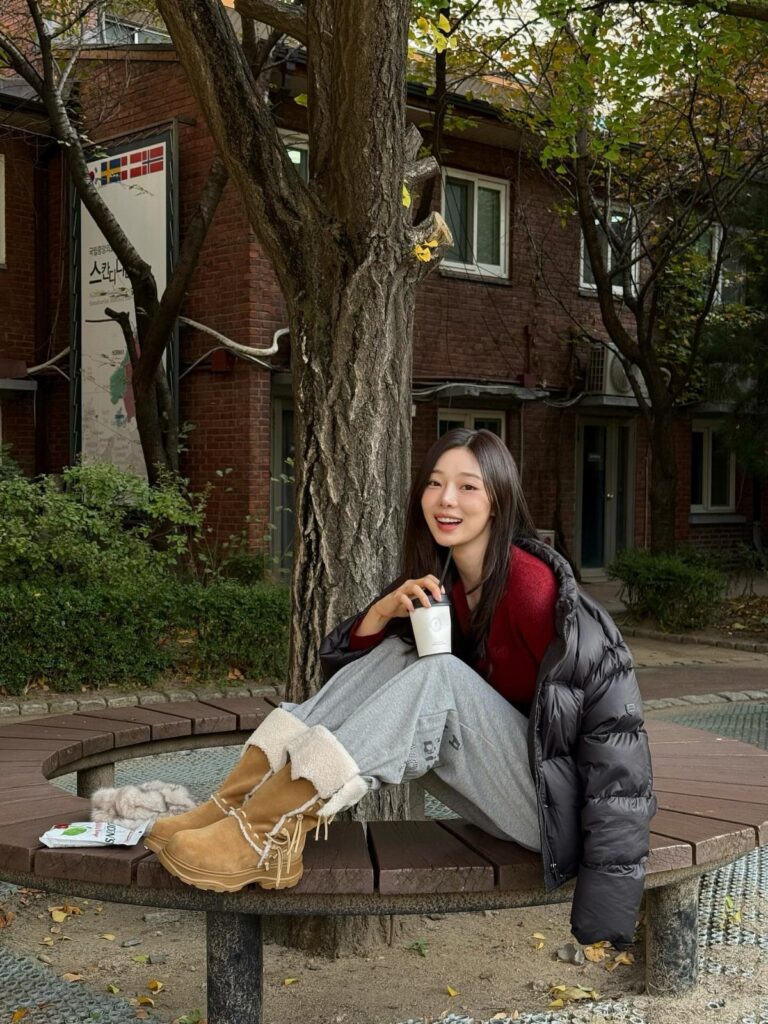
The deciding factor in any of these looks is how much of your day you spend outdoors versus in heated spaces, and the list below runs from puffer sets to belted wool jackets to cover both.
A chunky sneaker and matching leggings works for the commute; a midi dress with tall suede boots only makes sense if you are walking straight from the car to the dinner table.
The shearling aviator jacket, with its solid hardware and smooth leather rather than distressed finish, is the piece that best shows how Korean winter style builds the outfit from the outer layer in.
1. High Boots
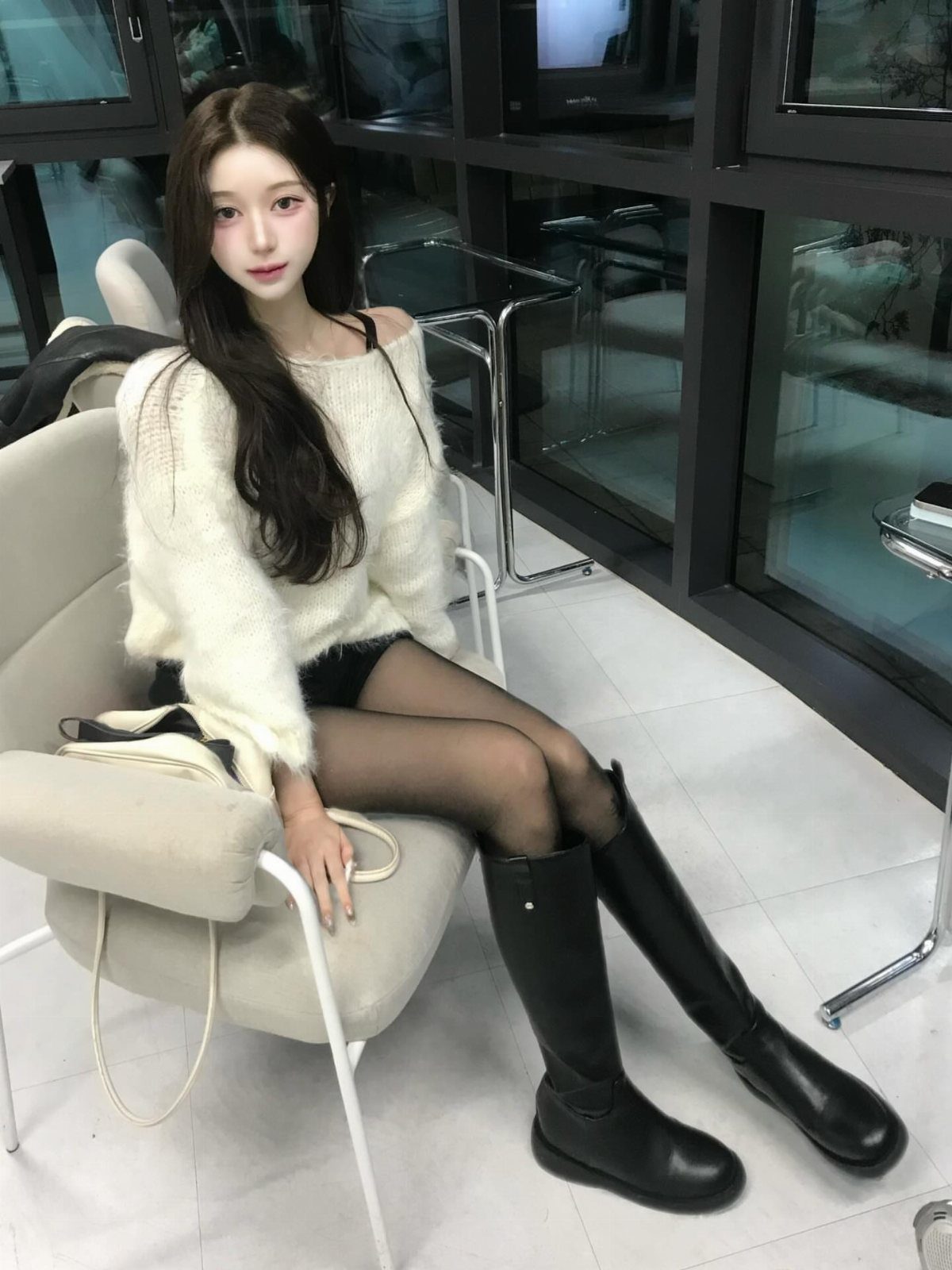
High boots are the piece that changes how the rest of your closet reads in winter.
Black leather boots that hit just below the knee work best with sheer stockings and a soft off-shoulder sweater: the boot becomes the outfit’s structure while everything else stays relaxed.
What to check before buying: shaft height relative to your calf.
A boot that gaps at the top breaks the line; one that skims it keeps the leg looking longer. Block heels and cowboy styles have been the ones showing up most, and they handle ice better than a stiletto.
I would wear these with a midi skirt before I’d try them over jeans, since the cleaner silhouette is what makes the current version of this look feel deliberate rather than leftover from the early aughts.
2. Oversized Trench Coat
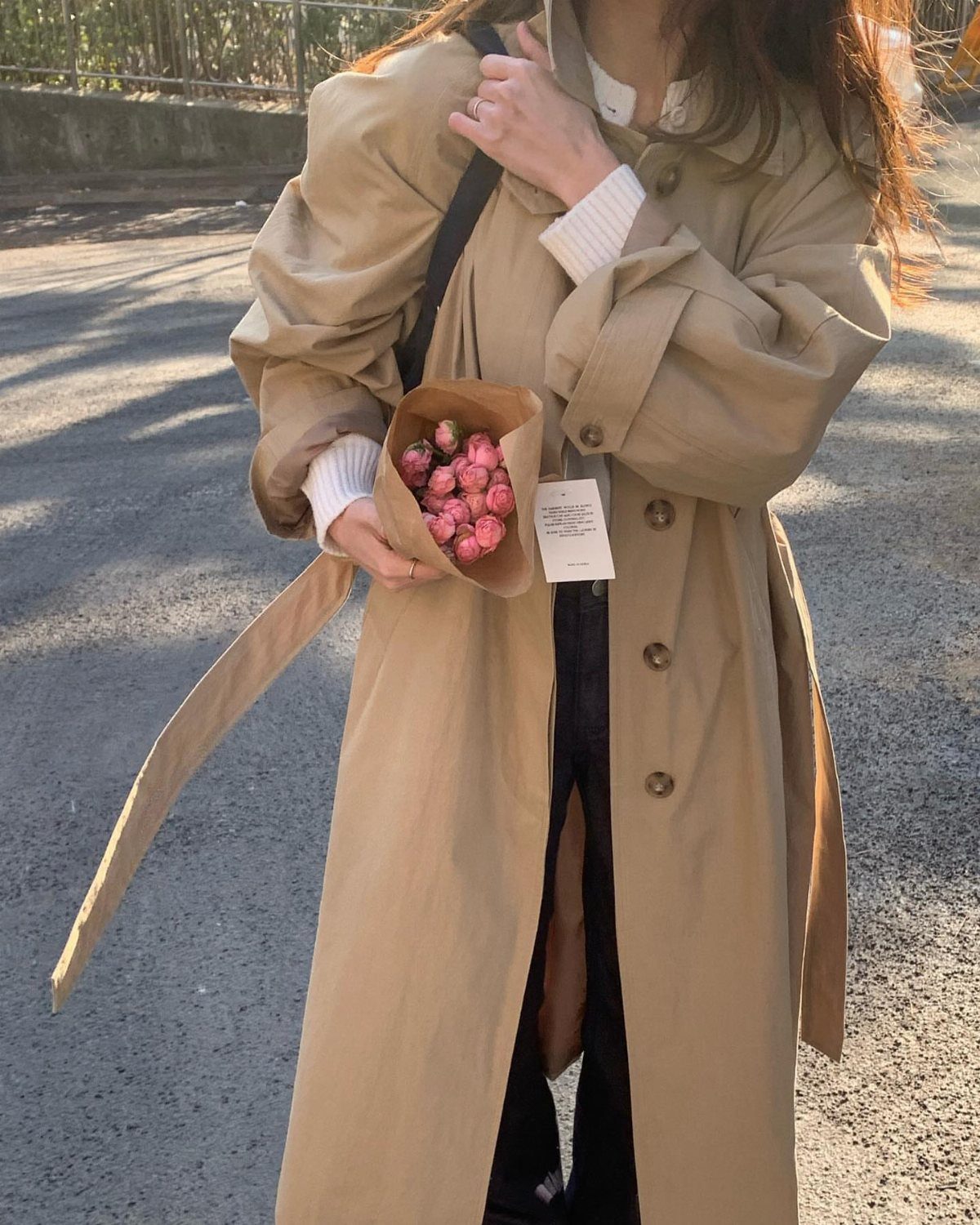
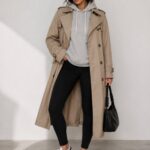
An oversized trench in a neutral camel or beige reads as Korean winter style in a way a fitted one does not.
The extra volume lets you layer underneath without the coat pulling at the buttons, and the length, often past the knee, changes your proportions in a way that photographs well against grey city streets.
A white knit top and dark jeans underneath keep the coat as the single statement; nothing else needs to compete.
If your winters run mild, this coat may be enough on its own; if not, the same oversized shape works in heavier wool or you can swap to a thick hoodie or sweater underneath.
I like the unisex cut because it borrows from menswear without looking like you actually took someone’s coat: the shoulders are dropped but the collar still frames the face.
3. Monotone Look
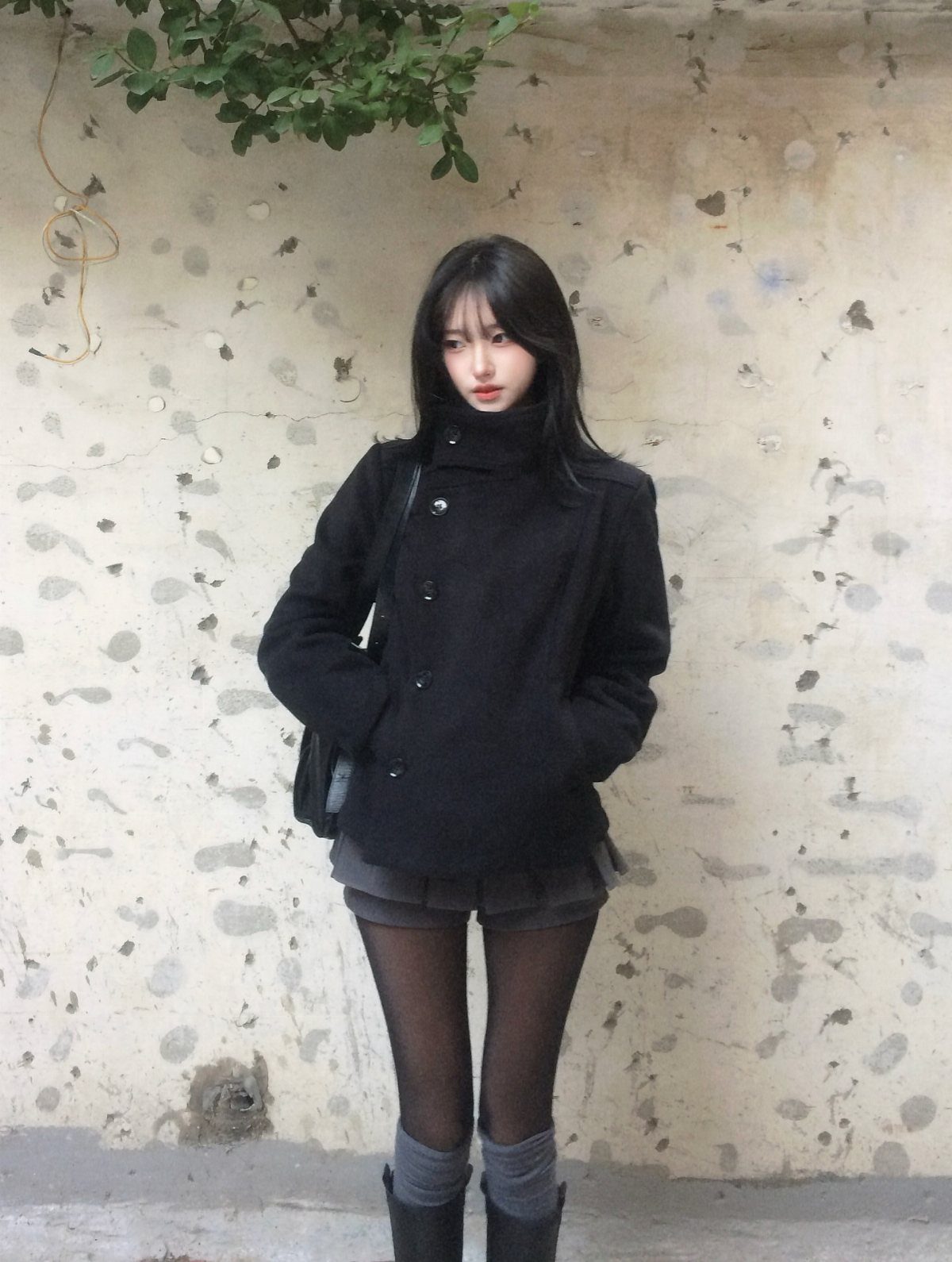
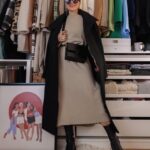
A single-color outfit sounds like it would simplify your morning, but the work shifts to texture and proportion instead of color matching.
A monotone look pairs pieces in almost—but not quite—the same shade, and that near-match is what keeps it from looking like a uniform.
Small shifts in tone, a ribbed knit against smooth wool, matte tights against a slight sheen on boots, do the heavy lifting.
One point of contrast is plenty: a bag, a lip color, or nails rather than a whole third color. I would add the accessory last and only if the outfit feels flat without it; the restraint is the point.
4. Winter Midi Dresses
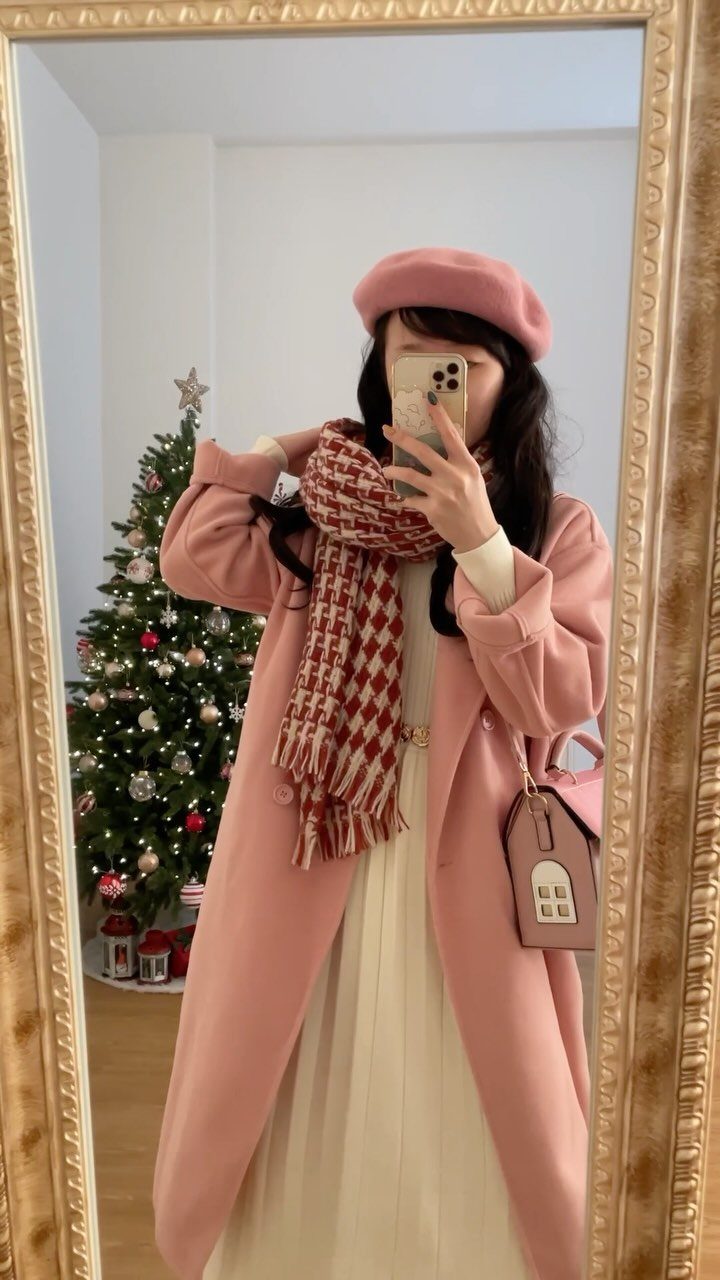
A midi dress in winter is counterintuitive until you treat it as a layering piece rather than a standalone item.
Long sleeves on the dress itself help, and a button-front style lets you adjust the neckline over a thin turtleneck if you need another layer.
Heeled boots or tall suede boots finish it; the length of the skirt means you are showing only the foot and a narrow ankle, which keeps the look feminine without exposing much skin.
I would wear this to something like a holiday dinner where you will be indoors most of the evening and want to look dressed without wearing actual evening clothes.
5. Athleisure Outfits
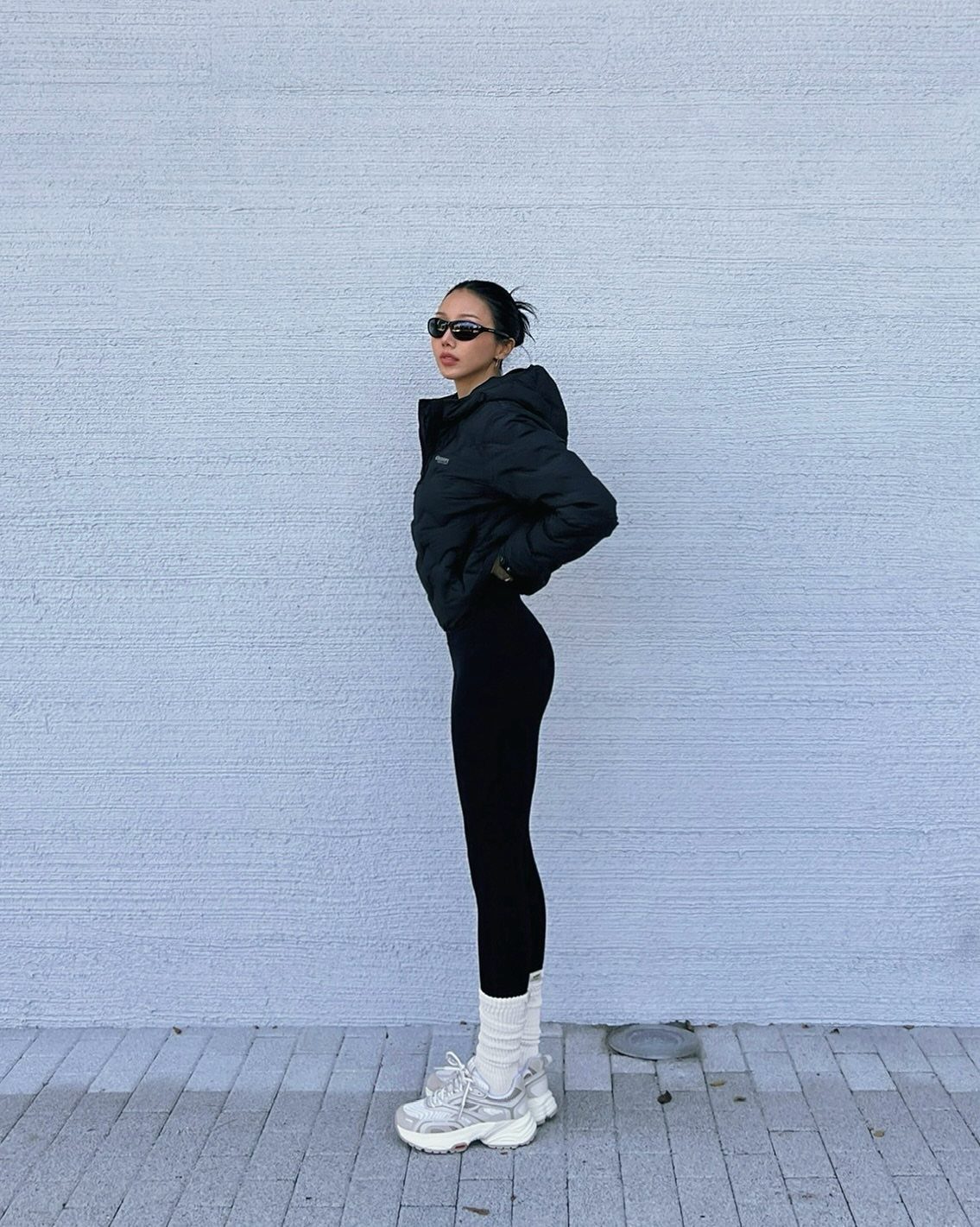
Athleisure as Korean winter style means matching your puffer to your leggings and keeping the sneakers chunky enough to balance the jacket’s volume.
An all-black set, broken only by white scrunched socks, is the simplest way in: one brand’s pieces in one colorway, which reads as intentional rather than like you forgot to change after the gym.
The comfort is real, but the styling is what keeps it from looking sloppy. Sunglasses help, even in winter light, and the sock detail, pulled high and rumpled, is a small move that signals you thought about it.
I would stick to one visible logo, or none, since the silhouette does enough work on its own.
6. Sweater with Long Skirt
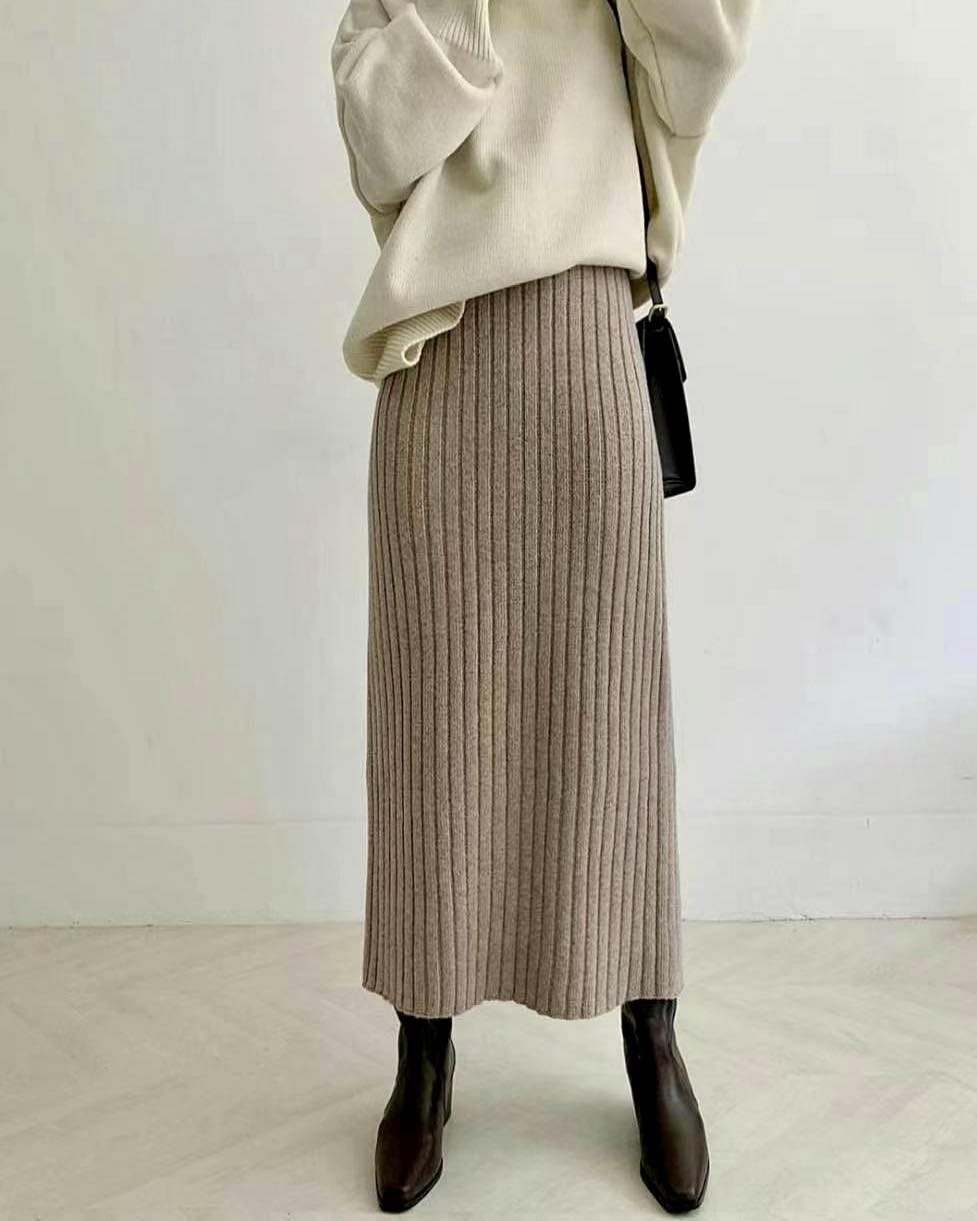
A soft sweater with a long skirt is the combination I would reach for when I want to look put-together without any tightness.
The cream knit and beige ribbed skirt above sit at the natural waist, with black boots grounding the pale tones. The skirt falls below the calf, which makes this feel more covered than a midi but still fluid.
Tuck the front of an oversized sweater to keep the waist defined, or add a thin belt as accent. High boots continue the line; sneakers would read younger and more casual.
I prefer the tucked-in version because an untucked sweater with this much fabric can hide your shape entirely, and the gentle definition is what makes the look feel feminine rather than just comfortable.
7. Leather Jacket with Mini Skirt
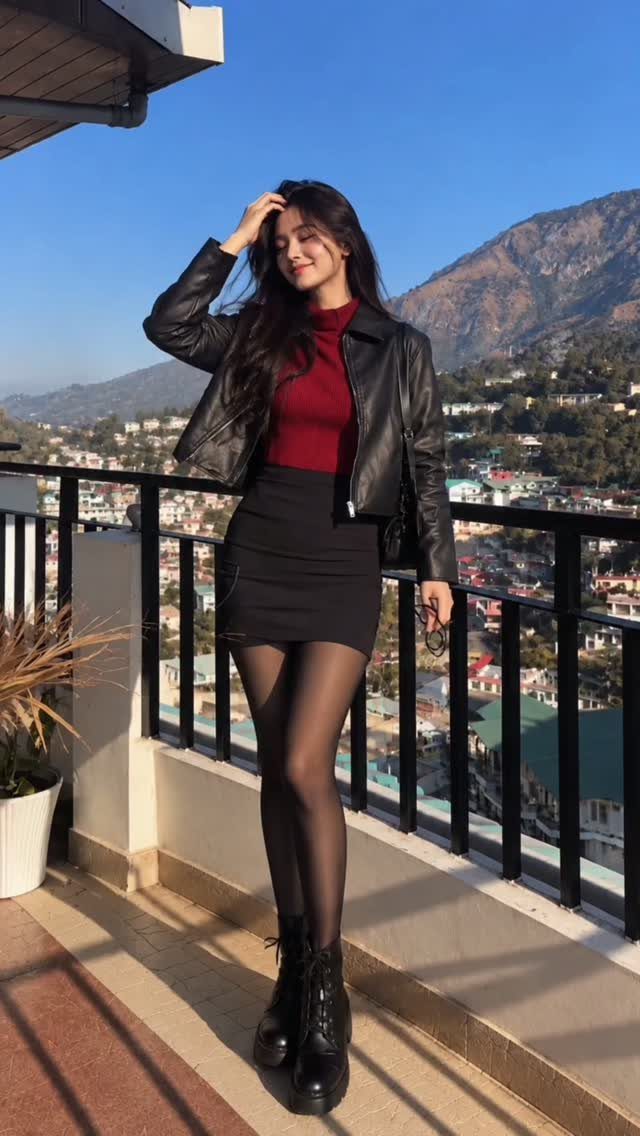
Black leather with black tights keeps the leg line continuous; add a single red turtleneck underneath to stop the palette from going flat.
The boots need to hit at or above mid-calf to anchor the short skirt. I would skip ankle boots here; they cut the leg at its widest point and make the proportions feel accidental.
A bomber jacket works in place of leather if you want less shine and more padding, and the same formula, turtleneck plus mini skirt plus tall boot, holds.
8. Warm Fur Coat
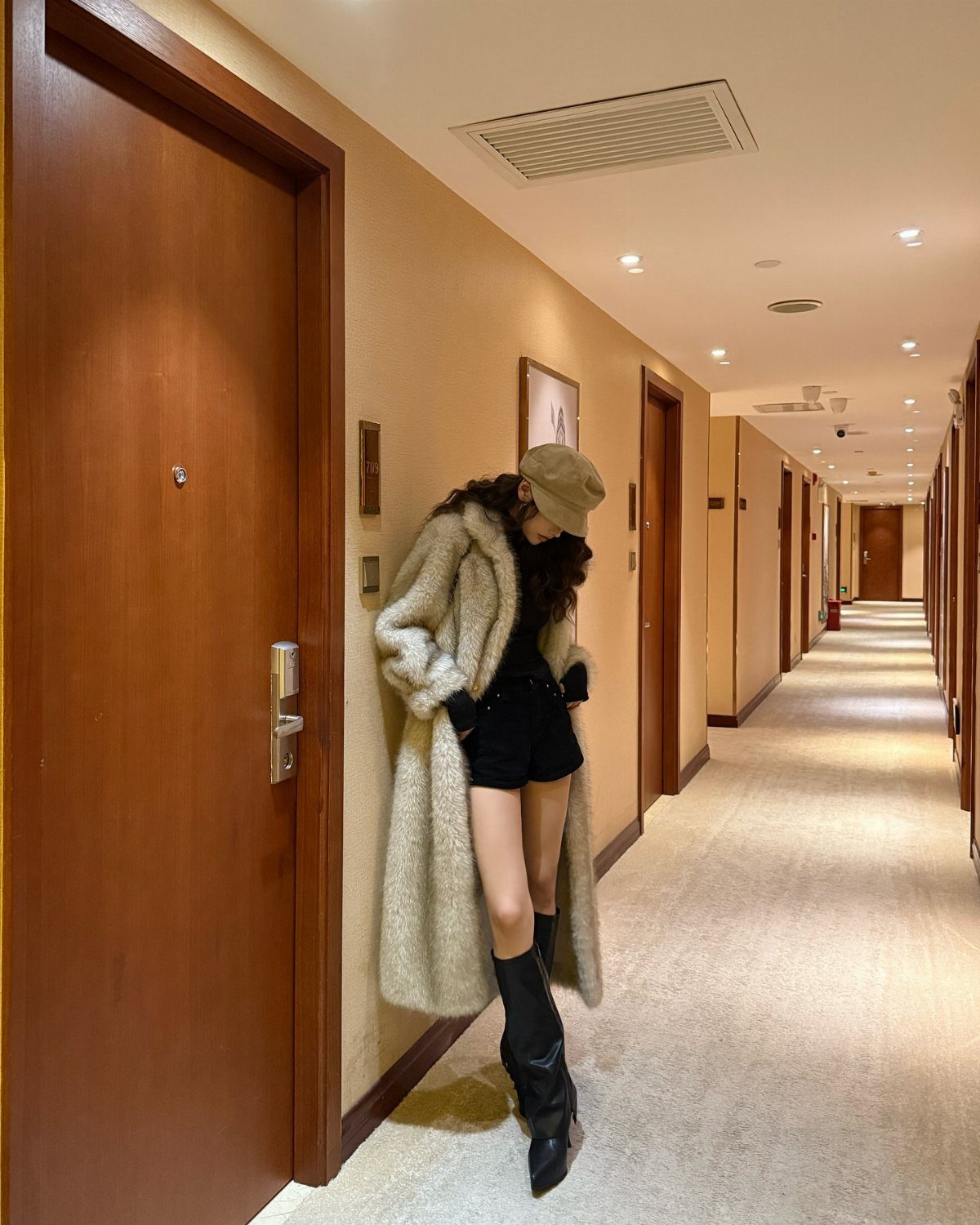
Long fur or fleece coats in Korean winter style run past the hip and often to the knee, which is what makes them read as outerwear rather than a throw-on layer.
A cream coat over black shorts and boots with a baker boy cap keeps some leg visible; the short bottom is deliberate, since the coat’s volume needs that break to keep the shape from swallowing you whole.
Teddy coats, the fleece pile style that showed up in 2018, have moved past camel into most colors now. I would check the pile direction before buying; smooth fleece reads cleaner, and shaggy can look tired fast.
Ruffled sweaters underneath are a current K-fashion move if you want texture at the collar and cuffs, though a plain black turtleneck does the same job more quietly.
9. Belted Wool Jacket
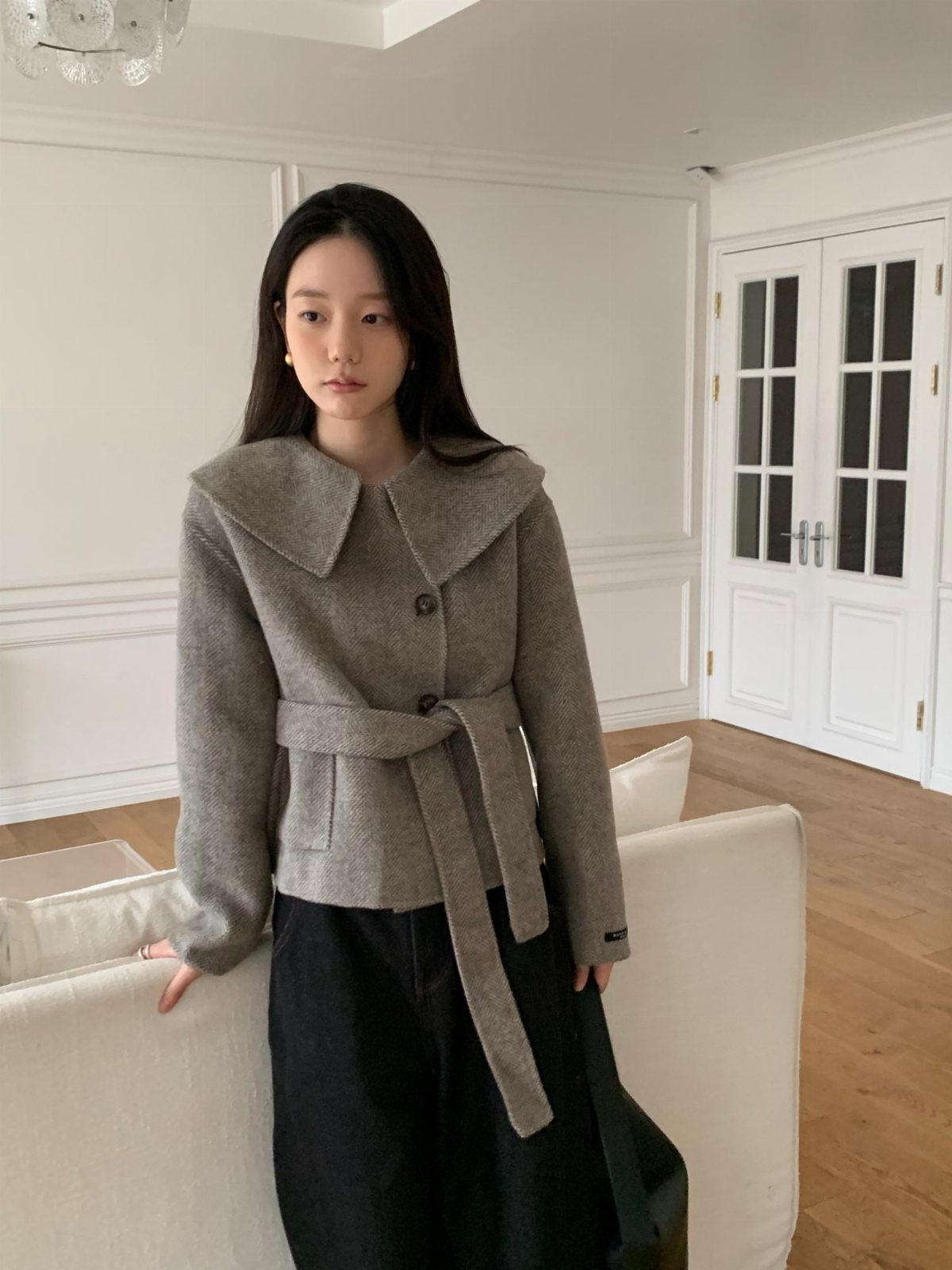
A belted wool jacket with an oversized collar solves the winter problem of wanting shape without sacrificing layers.
A grey belted jacket nips in at the waist while the collar frames the face; wide-leg trousers or a long skirt below keep the silhouette balanced top to bottom.
Check where the belt sits relative to your natural waist. Too high and the jacket blouses over in a way that adds bulk; too low and the legs look short.
The collar size matters on a smaller frame; this proportion works best when the collar does not extend past the shoulder line.
I would wear this with the trousers for day and swap to a long skirt for evening, since the jacket’s structure carries both.
10. Tweed Jacket with Trousers
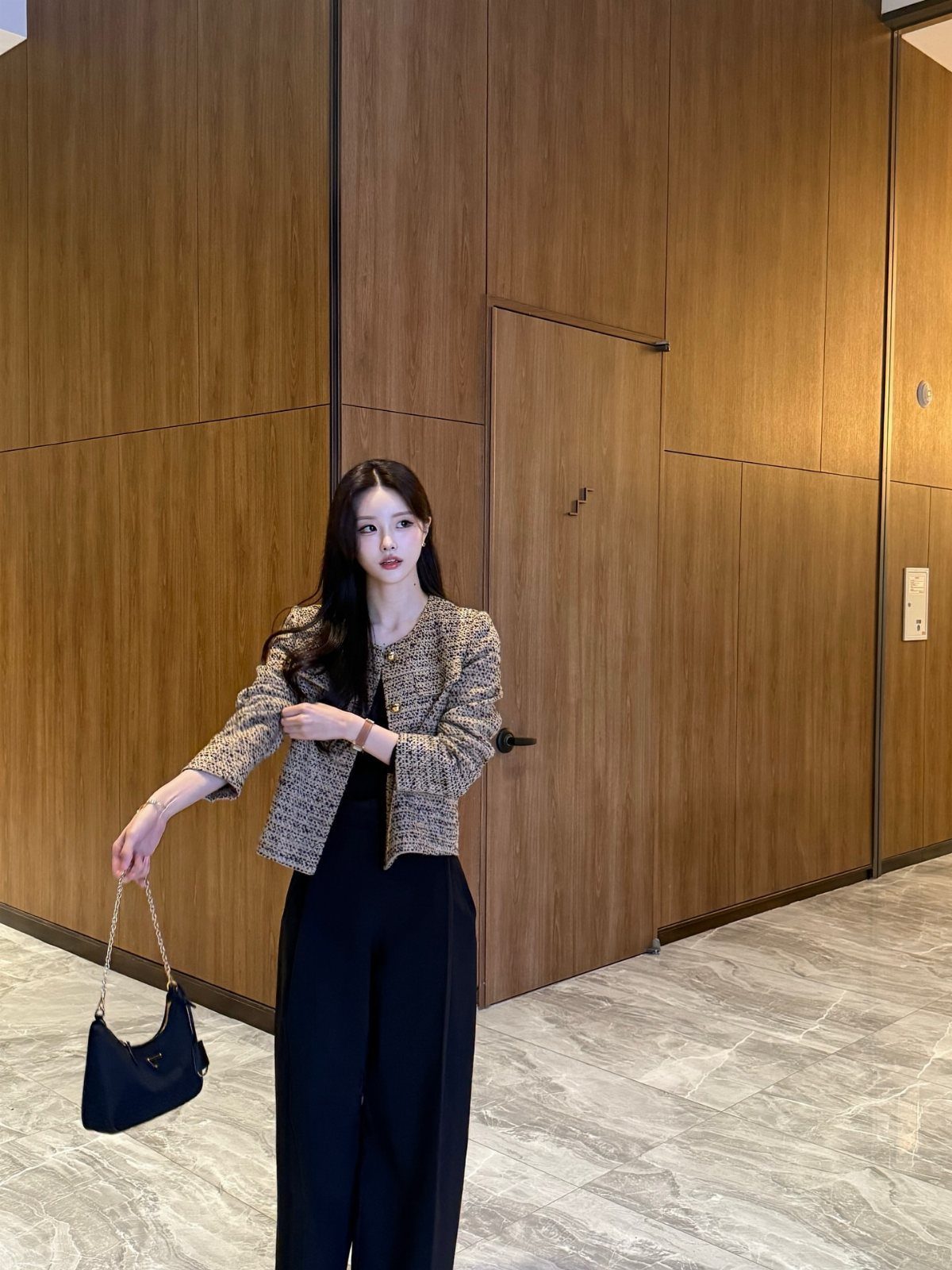
Cropped tweed against wide-leg trousers plays short against long in a way that feels current rather than retro.
Let the jacket’s texture do the visual work and keep the trousers plain and dark; a high-waisted black pair works best because the cropped jacket length needs that rise to keep the midsection covered.
The handbag, held rather than worn crossbody, keeps the line clean. I would check the jacket’s shoulder fit; tweed with padding can go boxy fast, and the wide legs below need some softness at the top to balance.
This is one of the few combinations where flats work as well as heels, since the trousers cover the foot and the boot or shoe becomes invisible.
11. Tweed Jacket with Mini Skirt
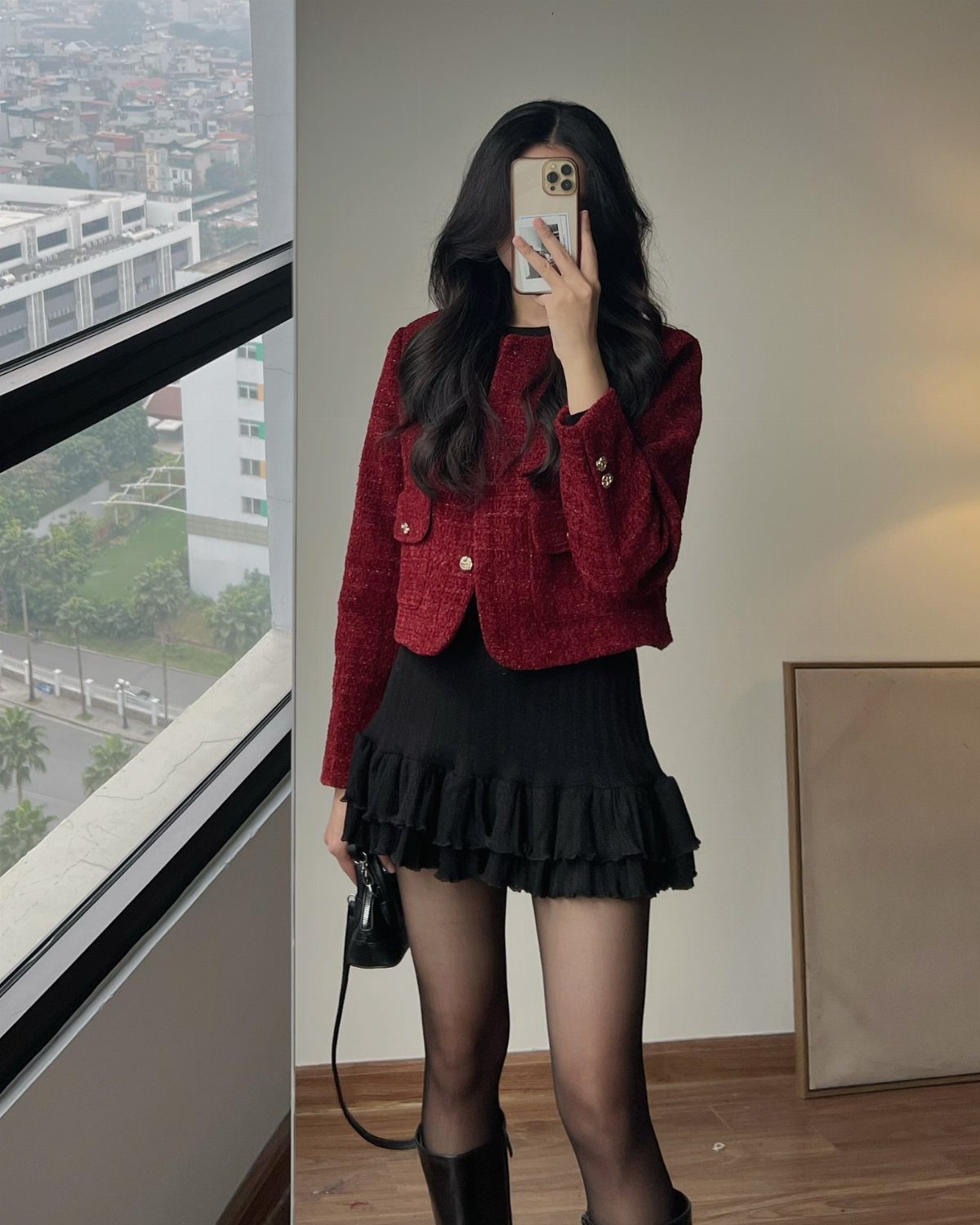
Red tweed with a ruffled black mini skirt is more color and more texture than most entries here, and it succeeds because the tights and boots ground it.
The cropped jacket hits at the waist; the skirt’s ruffle starts there and flares, so the 2 pieces meet rather than overlap.
Check the full proportion in a mirror before leaving the house, since the skirt’s volume from the front can surprise you from the side.
A black turtleneck under the jacket is the quieter alternative if the bare neckline feels too bare for your plans.
12. Shearling Aviator Jacket
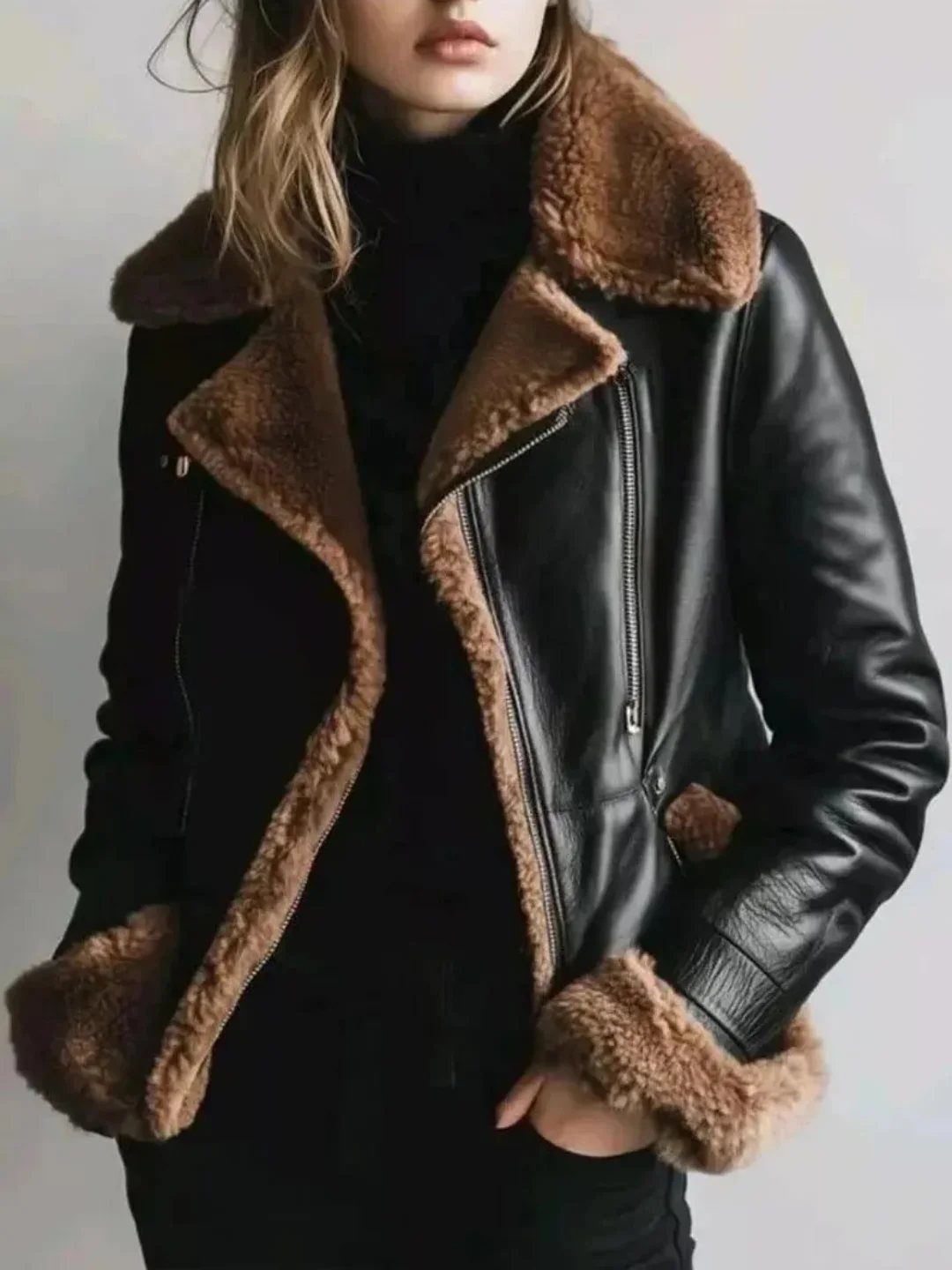
The black turtleneck underneath continues the line up to the jaw; no scarf needed, since the shearling collar does that work.
The leather here is smooth, not distressed, which keeps the jacket from looking like vintage reproduction. I would check the shearling bulk at the shoulders; too much and you lose your neck.
This jacket works best with slim bottoms, jeans or trousers, since the volume is already at the top. The hardware, zippers and snaps, should feel solid; cheap metal on this style is obvious at close range.
Frequently Asked Questions
What do Koreans wear during winter?
Layered outfits built around a few key outerwear shapes: oversized trenches, long fur or fleece coats, belted wool jackets, and puffers for athleisure looks.
Underneath, the focus is on texture and proportion rather than color, with monochrome palettes, long skirts with soft sweaters, and midi dresses over thin turtlenecks. The layering is deliberate, each piece visible and contributing to the silhouette rather than hidden.
What is a typical female Korean style outfit?
A soft sweater tucked into a long skirt past the knee, grounded with black boots, is the combination that reads most put-together. The waist stays defined, the palette stays neutral, and the overall effect is feminine without tightness.
A cropped tweed jacket with wide-leg trousers is the sharper take: the short-over-long proportion keeps the silhouette interesting, and the jacket’s texture carries the whole look while the pants stay simple and dark.
What are the Korean fashion trends for 2026?
Oversized trenches in camel or beige continue, with dropped shoulders and past-the-knee lengths that photograph well against grey streets.
Block-heel and cowboy-style boots below the knee are the boot shape showing up most. Teddy coats have moved past camel into more colors, with smoother fleece reading cleaner than shaggy pile.
Monochrome puffer sets, head to toe in one color, read as intentional rather than lazy when you break them with a flash of white at the ankle, those scrunched socks that have become a signature.