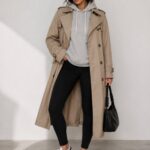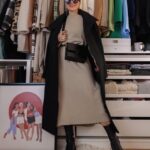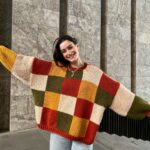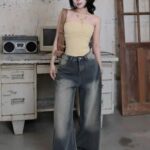
These elevated casual outfits range from an Amazon turtleneck to investment pieces like FRAME cords and Margaux flats, with the deciding factor being which part of your closet needs the most help right now: structure, color, or fit.
The black Paige jeans I keep coming back to in the winter section are the same ones that anchor half these looks, since a dark wash that actually holds its shape does more for a silhouette than any styling trick.
1. Neutral Tops
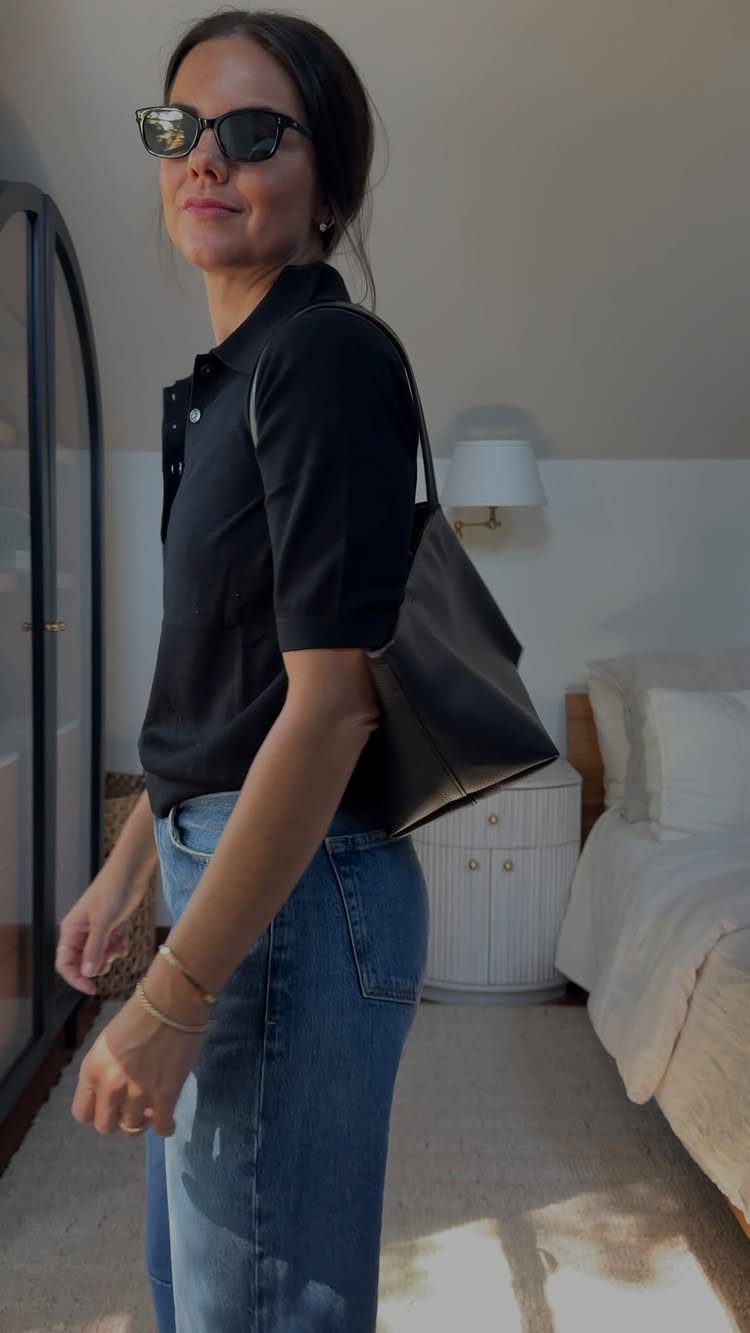
A black polo shirt in a crisp knit reads as intentional rather than thrown-on. That intention is what separates elevated casual from regular casual.
Solid colors in tailored shapes do the heavy lifting here. Wrinkle-free fabrics matter more than price; a top that holds its shape through repeated washes beats one that bags at the collar no matter what it cost.
I look for sleeves that hit mid-bicep and a hem that tucks cleanly without bunching.
Regular blue jeans and simple flats finish the look without competing for attention.
2. Monochrome Looks
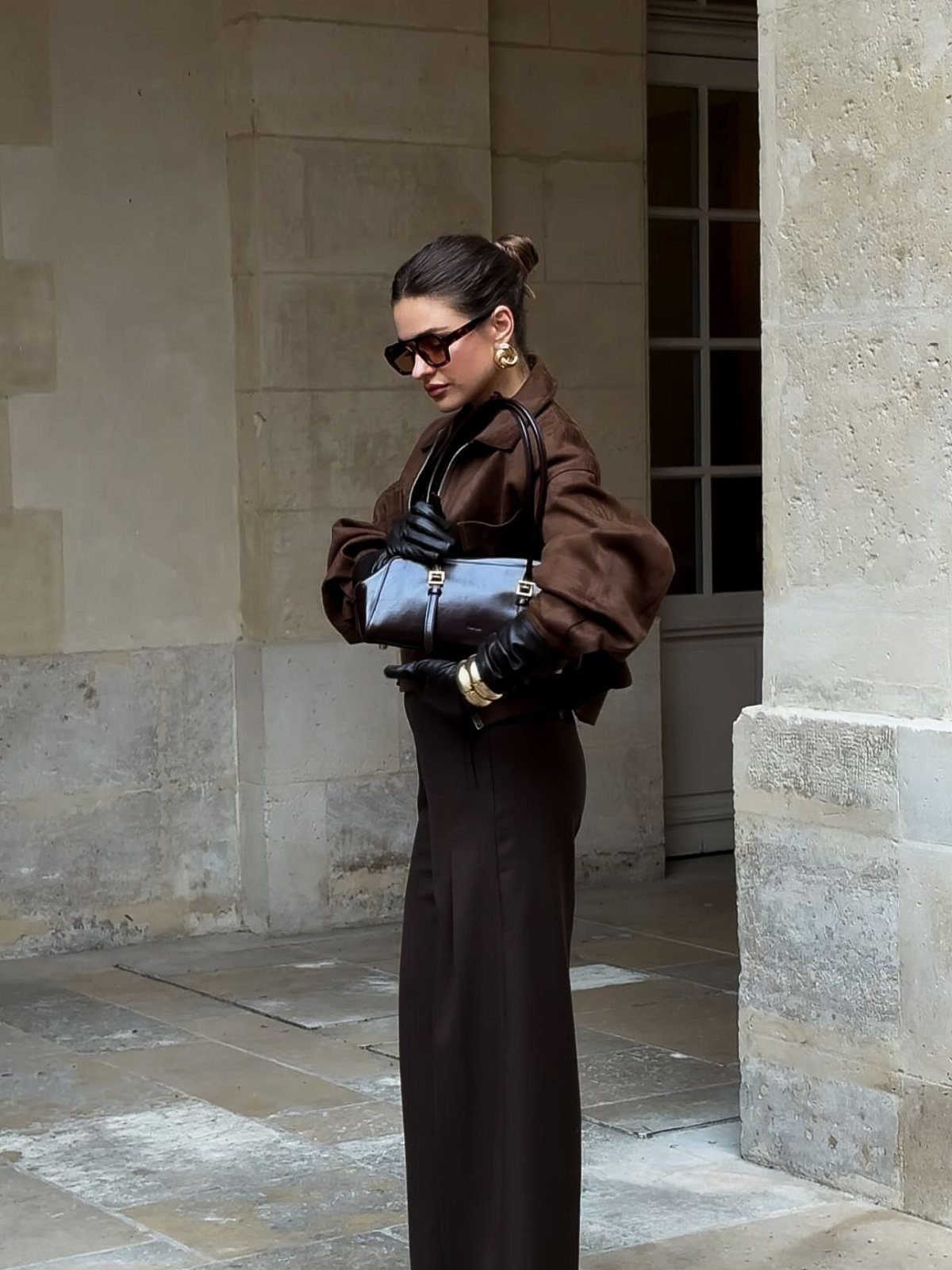
Wearing one color head to toe looks expensive even when it isn’t. Building enough variation in shade and texture keeps a monochrome outfit from flattening into a uniform.
Start with a base piece in your chosen color, then add layers two to three shades lighter or deeper.
A chocolate trouser with a camel knit and espresso leather gloves gives the eye places to travel. A pair of leather gloves in a matching shade does this work; without them, the look would sit too quietly.
I find this easiest in browns, creams, and blacks. Navy and olive work too, though matching shoes in those colors takes more hunting.
3. Tailored Jackets
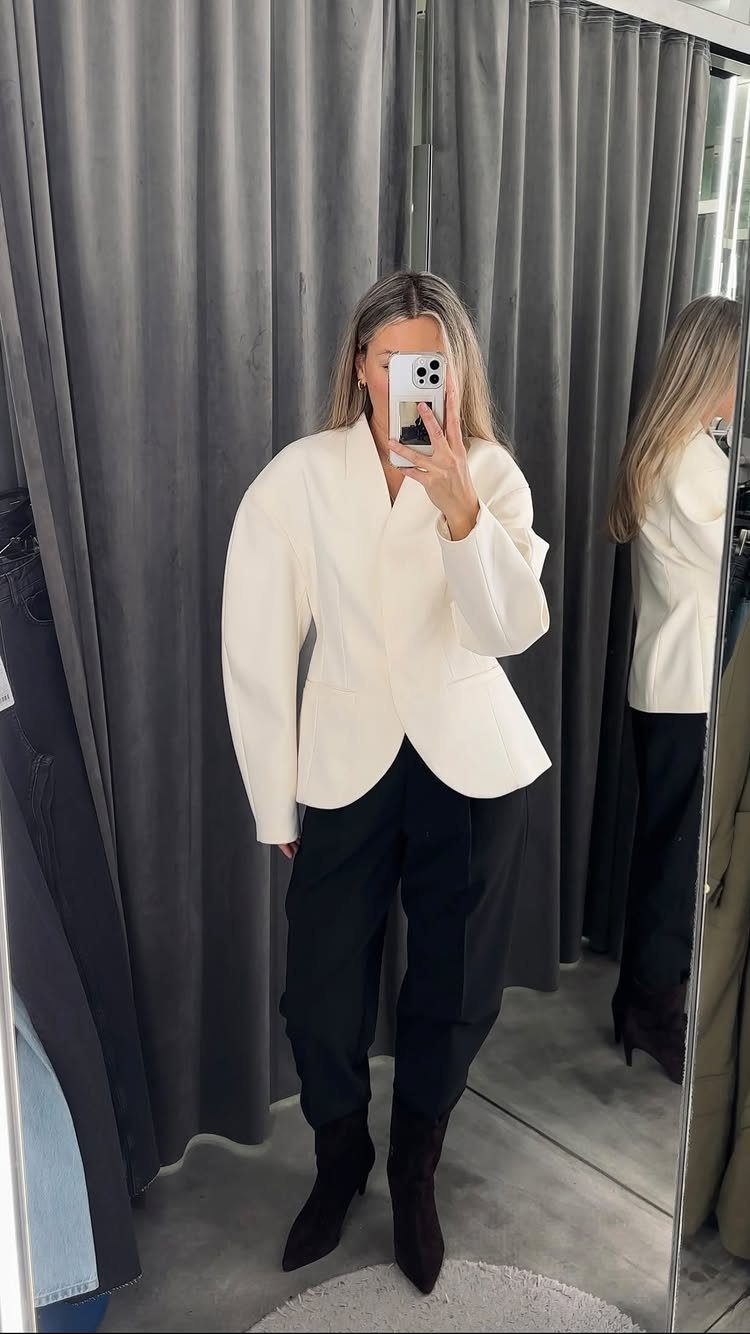
The right jacket turns a basic top and pants into an outfit with a point of view. A tailored blazer signals classic; velvet reads evening; a plaid shacket lands right for weekend plans.
Fit matters more than fabric. Shoulder seams should sit at the edge of your shoulder, not slide past it.
I check this in a mirror selfie, arms relaxed at my sides, to see where the hem falls and whether the shoulders sit right. If the seam hovers over empty space, size down.
Cream blazers pair with almost any bottom and work across seasons. For variety, a vest or substantial scarf can serve the same anchoring role in warmer months.
4. Casual Yet Polished
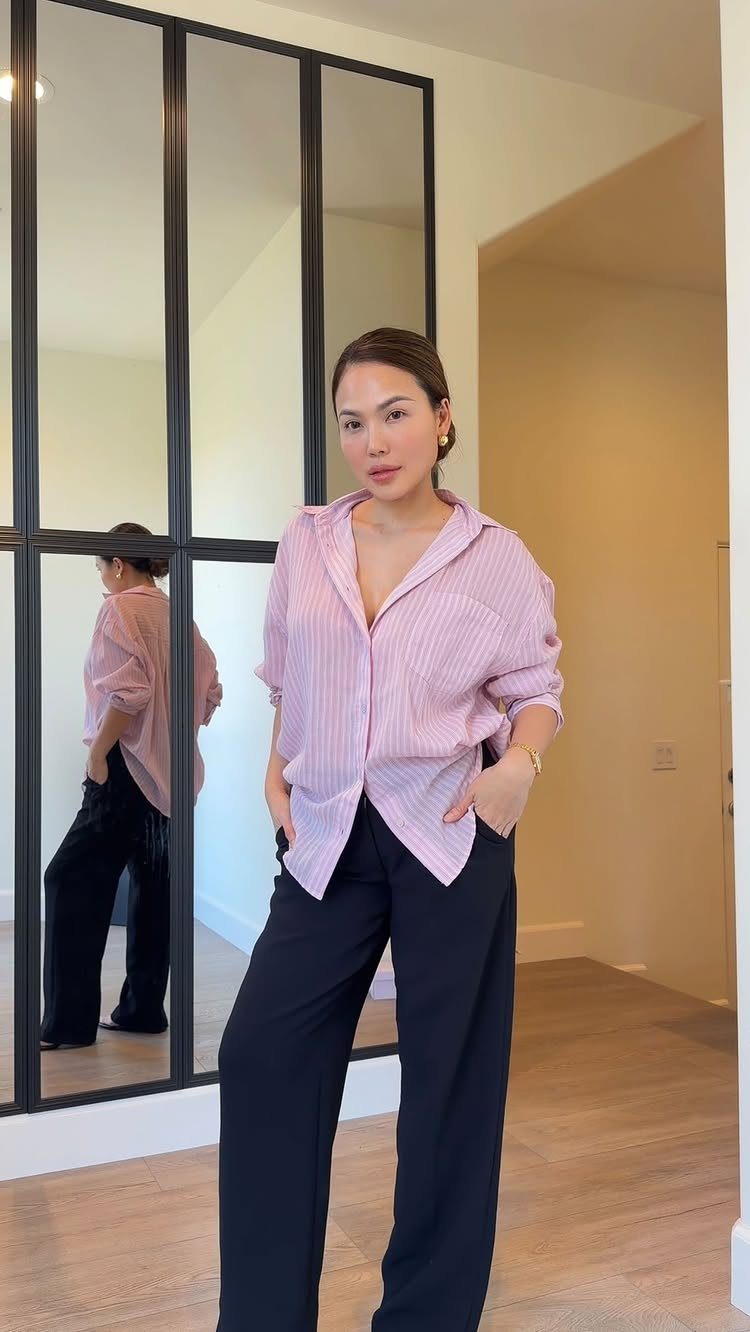
Comfort and polish sit on a seesaw. Push too hard toward either one and the outfit tips.
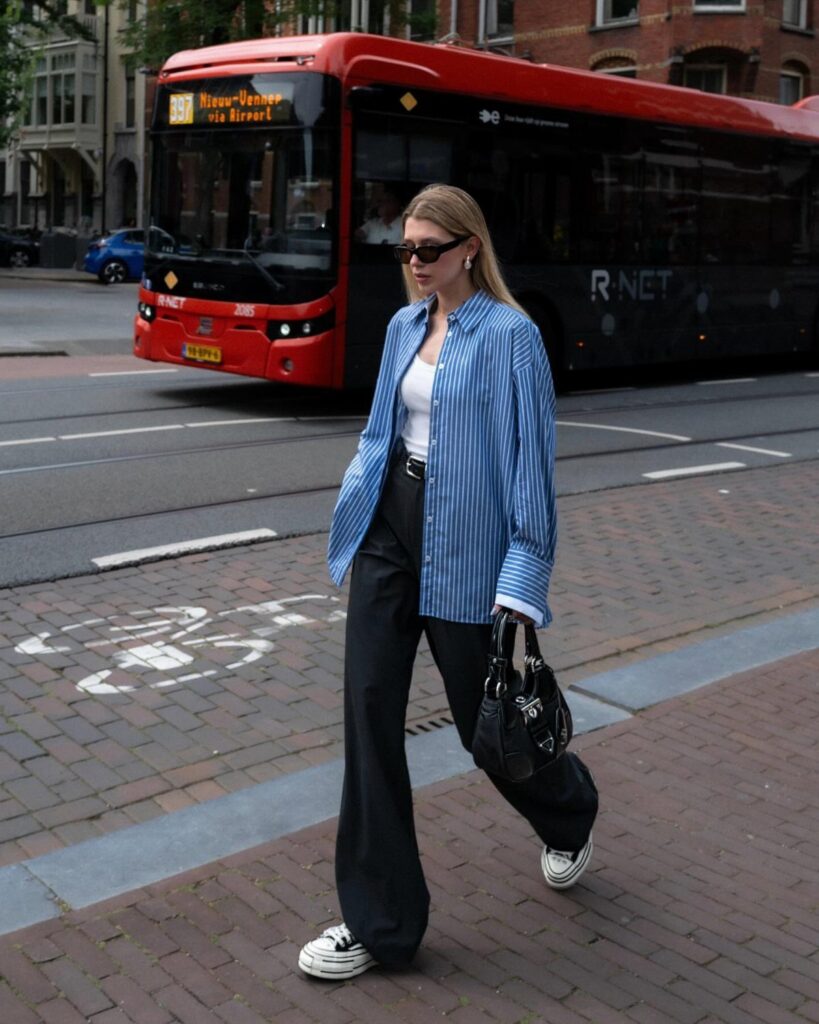
A striped button-up in a soft cotton, cut roomy enough to move in, balances against trousers with a pressed crease and enough length to cover a heel.
Trousers that hold their structure let a tucked-in shirt read as intentional; slouchier pants would make the shirt look like an afterthought.
I check the balance by asking what one piece I would change. If every answer makes the outfit worse, it is probably right.
5. Well-fitting Bottoms
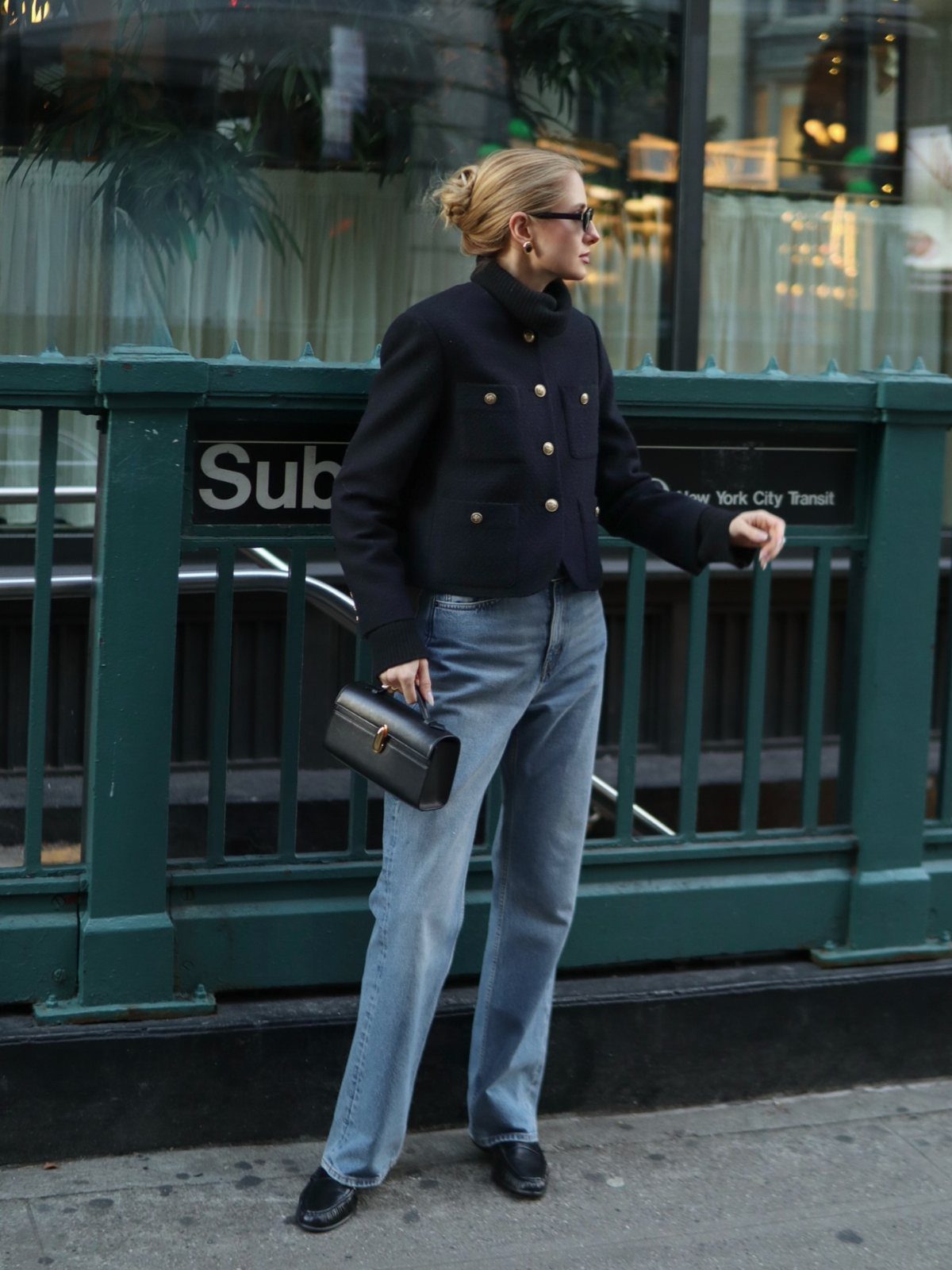
Jeans that fit well do more for a silhouette than any styling trick. A clean wash and straight or slim cuts streamline without trying.
Too much fabric below the waist adds visual weight.
I used to size up for comfort until I noticed how often I tugged at the waistband; the extra room was shifting and bunching by noon. A closer fit in a fabric with stretch holds the line cleaner.
For a longer leg line, match the value of your top and bottom, light with light or dark with dark.
6. Cohesive Color Scheme
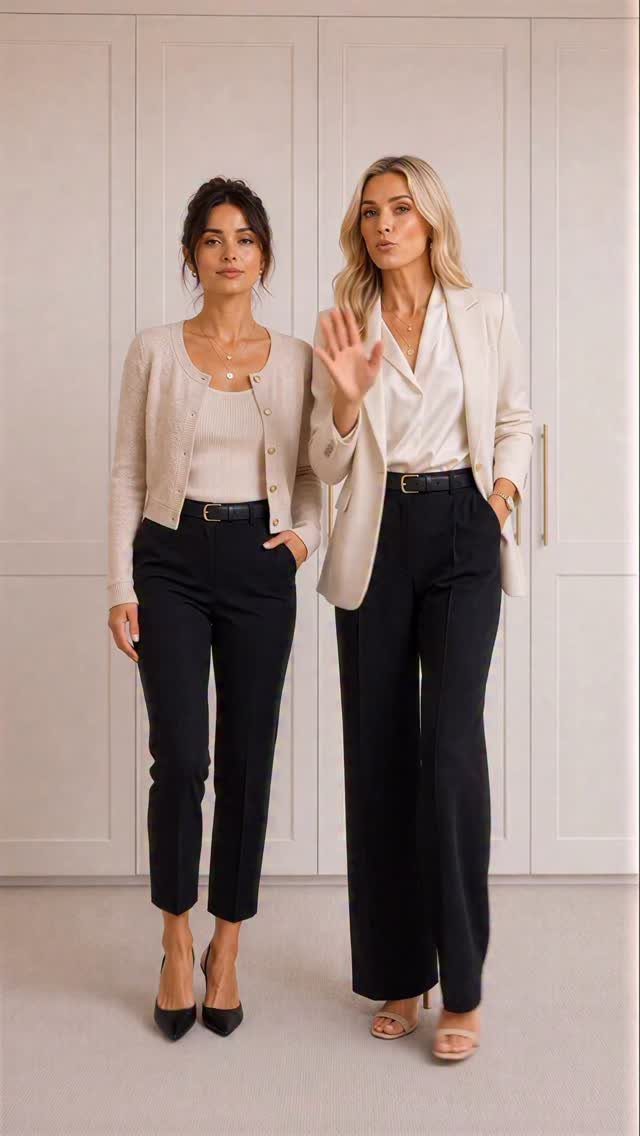
Repeating one accent color through an outfit ties it together without matching-matching. A cream cardigan, beige top, and black trouser share the same quiet palette; the black reappears in both looks just enough to echo.
Earth tones make this easy. Tan, olive, clay, and brown mix across brands and seasons without clashing.
I do not match bag to shoes unless both happen to land in the same shade. Any 2 pieces in your accent color do the connecting work; the third is optional.
7. Belted Shirt Dress with Sweater
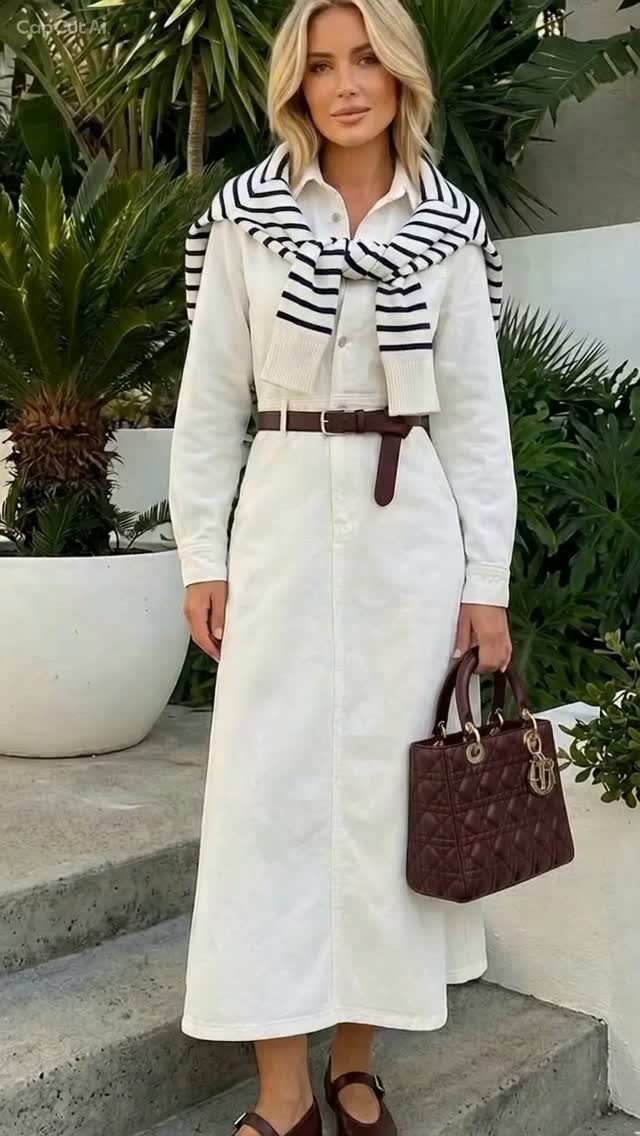
A belted shirt dress with a sweater draped over the shoulders gives you two textures where another outfit might use one. The belt defines the waist; without it, the long line would read as a tent rather than a choice.
I look for a dress in a plain, smooth fabric that can sit underneath something busier. The sweater does not need to match, just to relate: stripes against solid, or 2 shades of the same neutral family.
A single-color dress underneath a different-colored jacket stretches the line of your body, which helps if you are petite or want to look taller.
This works across seasons. In cooler months, the draped layer adds warmth; in warmer ones, swap the sweater for a lightweight scarf at the neck.
8. Bomber Jacket and Wide-Leg Denim
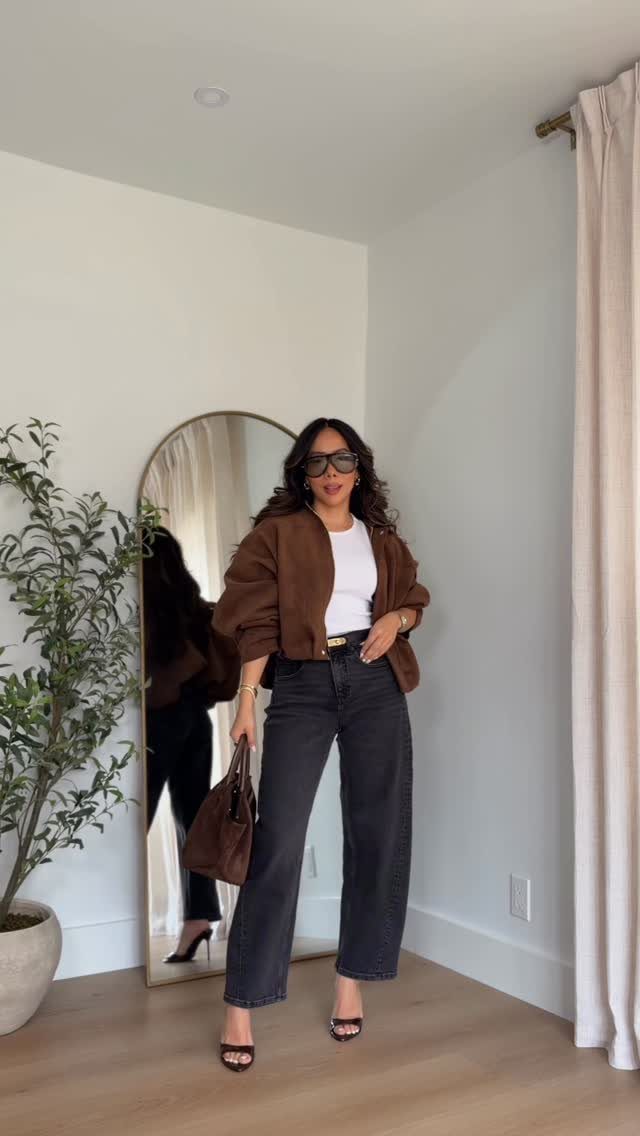
A bomber jacket over wide-leg denim borrows from workwear without committing to the full uniform. A short jacket that ends at your natural waist keeps your shape readable above pants with a lot of fabric through the leg.
Dark washes streamline the wide leg; light ones would add bulk at the ankle where the fabric pools.
I pair this with a fitted top rather than anything oversized, since both outer pieces already carry weight. Heeled sandals give the leg a vertical line; flats would work but shorten the proportion.
The jacket can layer under a heavier coat when temperatures drop. Lightweight bombers handle this better than padded ones, which fight for room in the sleeves.
9. Ruffled Blouse with Satin Skirt
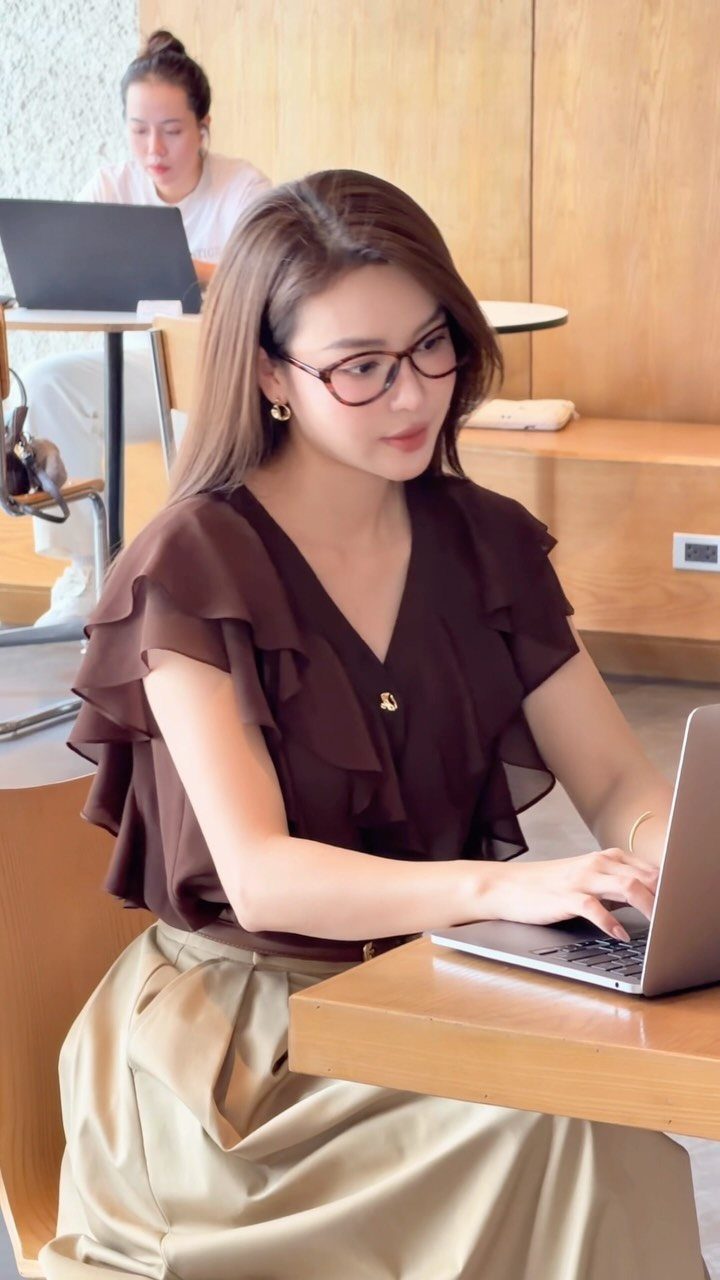
A ruffled blouse tucked into a satin skirt mixes 2 textures that both catch light differently. The ruffle adds volume at the chest and shoulder; the satin stays flat at the hip.
Check that the blouse fabric has enough body to hold the ruffle’s shape after washing.
A limp ruffle collapses into a frill that looks accidental. The skirt’s sheen will show every crease from sitting, so a midi length that rests below the desk line keeps the look intact through a workday.
This pairing reads as dressed-up casual rather than office formal. I would wear it to a lunch meeting or a daytime event where jeans would feel underdone.
10. Short-Sleeve Tweed Dress
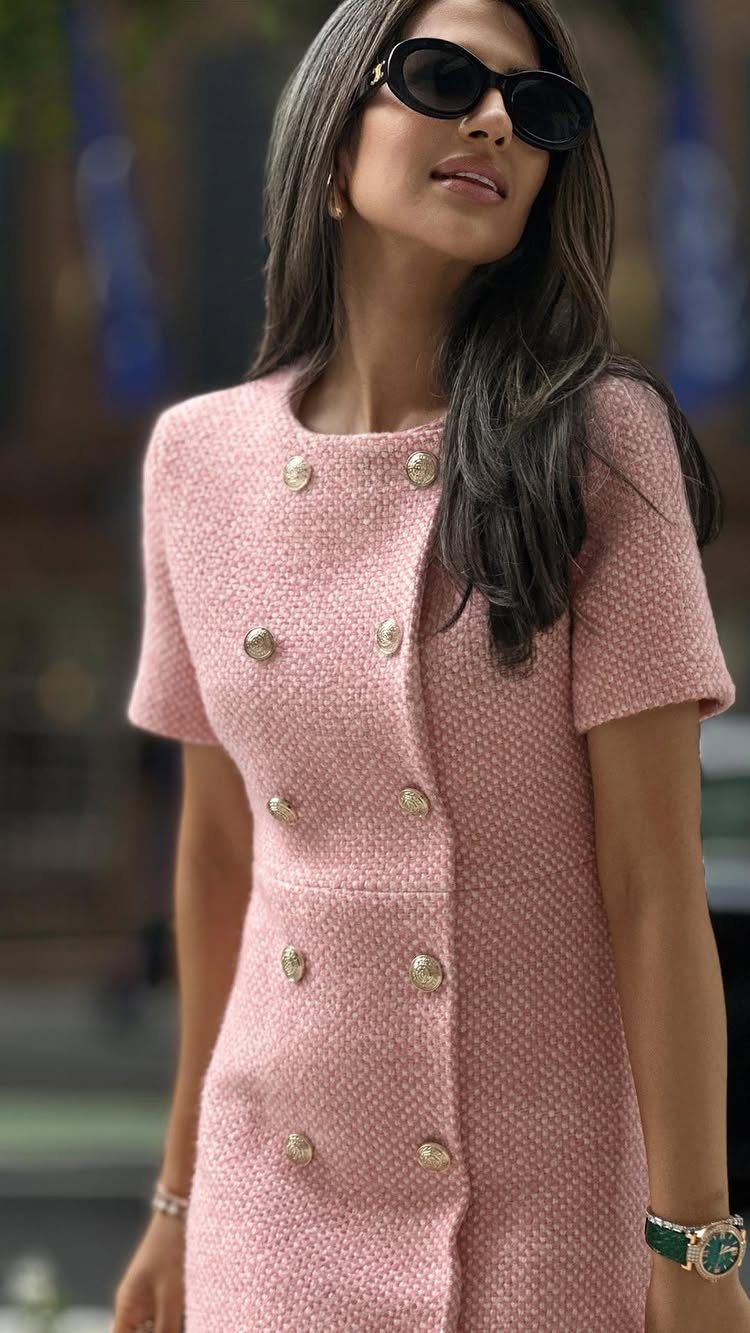
A short-sleeve tweed dress carries structure usually saved for cooler months into weather where lighter fabrics dominate. The texture does the visual work; the short sleeve keeps it wearable.
Gold buttons on a textured ground read as intentional hardware rather than afterthought. Check that the button stance sits at your natural waist; tweed has no stretch to forgive a misplaced seam.
The sleeve length should hit mid-arm, not creep toward the elbow where it would read as a cut-off long sleeve rather than a designed short one.
I would add a thin belt only if the dress lacks shaping through the waist. Without need, a belt fights the clean line the buttons already made.
Elevated Style Definition
Elevated style is everyday clothing made to look purposeful.
Simple sophistication is the target.
An outfit that moves from a desk to dinner without a change of clothes hits that mark when one element carries unexpected weight: a tailored shoulder line, a texture with body, a single accent color repeated just enough to tie things together.
I find that overstates it.
The effect is quieter. A vest anchoring a summer look, or leather gloves in a deeper shade of the same brown family, does the work without announcing itself.
Quality shows in behavior, not label. Where one source stresses high-end fabrics and another stresses thoughtful combinations, the overlap is the point: the fabric has to perform, and the combination has to be deliberate.
Dressing Up Casual Outfits
Footwear does the fastest work of lifting a casual outfit.
Heeled or platform sandals replace whatever you would have grabbed without thinking, and the line of the leg changes immediately. Structured bags run a close second; a bag that holds its shape reads as planned rather than accumulated.
Jewelry should arrive in small doses. A few classic pieces finish without competing, just as a belt defines a waist without becoming the subject of the outfit.
Another keeps closer to the practical: swap the shoe, add the bag, done. The difference matters.
Accessories that feel like an afterthought read that way. The time to choose them is while the outfit is still in your head, not while rushing out the door.
If nothing drops out easily, the balance held.
Casual Outfit Versatility
Day-to-night movement is where elevated casual earns its keep.
The same pairing carries from a lunch meeting to evening plans. A satin skirt with a ruffled blouse works for a Saturday gallery walk and still holds up at dinner; swap the flats for heels and you are done.
The shirt dress underneath stays the same piece across both versions.
Some sources tie this specifically to summer, to chasing kids or running errands.
The flexibility is broader. Any outfit built from pieces that each perform across contexts will shift across hours without a full change.
Frequently Asked Questions
What does elevated casual mean for attire?
Elevated casual is everyday clothing made purposeful, sitting one step above regular casual without crossing into formal.
One detail does the lifting: a shoulder that sits exactly where it should, a weave with some substance to it, or a color picked up again in shoes or a belt so the look reads intentional.
How to dress casual but elevated?
Start with fit.
Clothes that hold their shape through the day look more expensive than baggy alternatives, no matter the price. Finish with footwear that changes the leg line, like heeled or platform sandals instead of whatever you grabbed without thinking.
Are jeans ok for elevated casual?
Yes, when they fit well and the wash is clean and unfussy. Jeans with too much ease below the waist tend to shift and bunch by midday; a closer fit in a stretch fabric keeps the line cleaner.